Black Sea Tanker Explosion Update — SBU Drone Strike Report
Ukrainian media, citing sources within the Security Service of Ukraine (SBU), reported that the explosions aboard the sanctioned tankers Kairos and Virat were the result of a deliberate SBU maritime drone strike. According to these reports, upgraded long-range Sea Baby drones operated jointly by SBU military counterintelligence and the Ukrainian Navy targeted both vessels in the Black Sea while they were sailing empty toward Novorossiysk. The sources said each tanker sustained “critical damage” severe enough to render them effectively inoperable, disrupting shadow-fleet oil logistics. FleetLeaks will continue monitoring for independent confirmation from additional official and maritime sources.
Ukrainian forces released videos of the operation against the two oilers Kairo and Virat in the Black Sea which tried to reach the Russian coast.
— (((Tendar))) (@Tendar) November 29, 2025
The message is clear:
If you are a shipowner trying to get Russian oil, expect that you will lose your whole ship. pic.twitter.com/Zg91DqbKmZ
Black Sea tanker explosion reports emerged Friday after two sanctioned vessels — imo-9236004/”>Kairos (imo-9236004/”>IMO 9236004) and imo-9832559/” target=”_blank” rel=”noreferrer noopener”>Virat (imo-9832559/”>IMO 9832559) — were struck by external impacts off Turkey’s northern coast, according to reports from Turkey’s Maritime Affairs Directorate and multiple shipping sources. Both vessels are sanctioned for transporting Russian oil and have long been part of the opaque fleet that has continued moving crude despite Western restrictions. The Black Sea tanker explosion involving both vessels highlights the ongoing risks faced by tankers operating along these contested routes.
Black Sea Tanker Explosion: What We Know So Far
Explosion aboard the Kairos
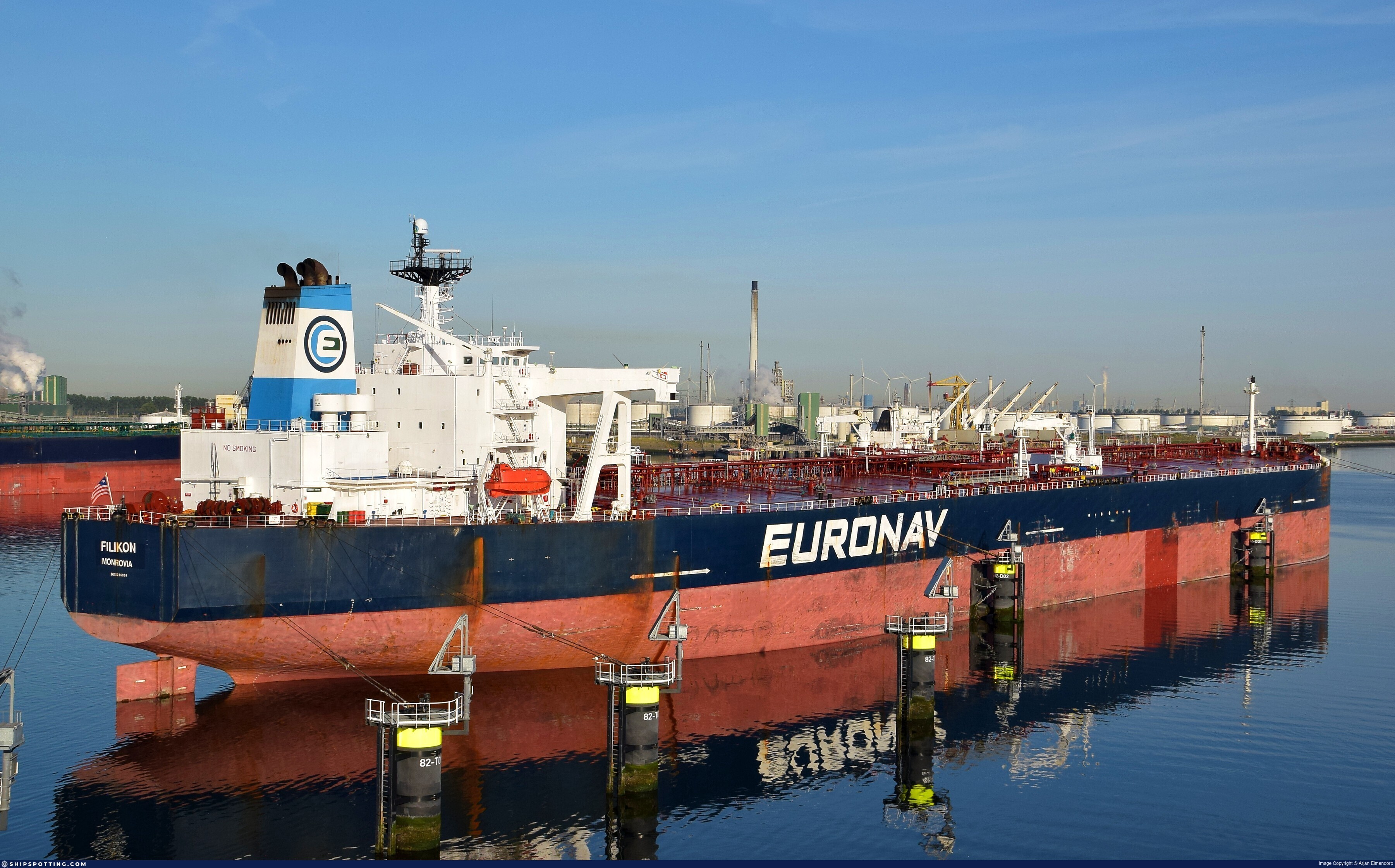
Reuters reported on November 28, 20251:10 PM EST that the first blast occurred aboard the Kairos approximately 28 nautical miles off Turkey’s northern coast as the vessel was heading toward Novorossiysk in ballast. Turkish authorities said the tanker experienced “an external impact,” which triggered an engine-room fire and a distress call from the ship’s 25 crewmembers. Analysts note that the Black Sea tanker explosion also aligns with previous hazards reported near shipping lanes leading to Novorossiysk.
Turkey dispatched rescue tugs and coast guard vessels, and some personnel were evacuated by a nearby ship. Shipping agency Tribeca stated that initial assessments suggest the Kairos may have struck a drifting mine—an ongoing hazard in the Black Sea since the start of Russia’s full-scale invasion of Ukraine.
The Kairos is a well-known sanctioned vessel. The European Union added it to its sanctions list in May 2025—under its previous name imo-9236004/”>Katiuska—followed by the United Kingdom in July 2025. See the imo-9236004/”>last know position reported by Kairos.
Second tanker, Virat, also reports a blast
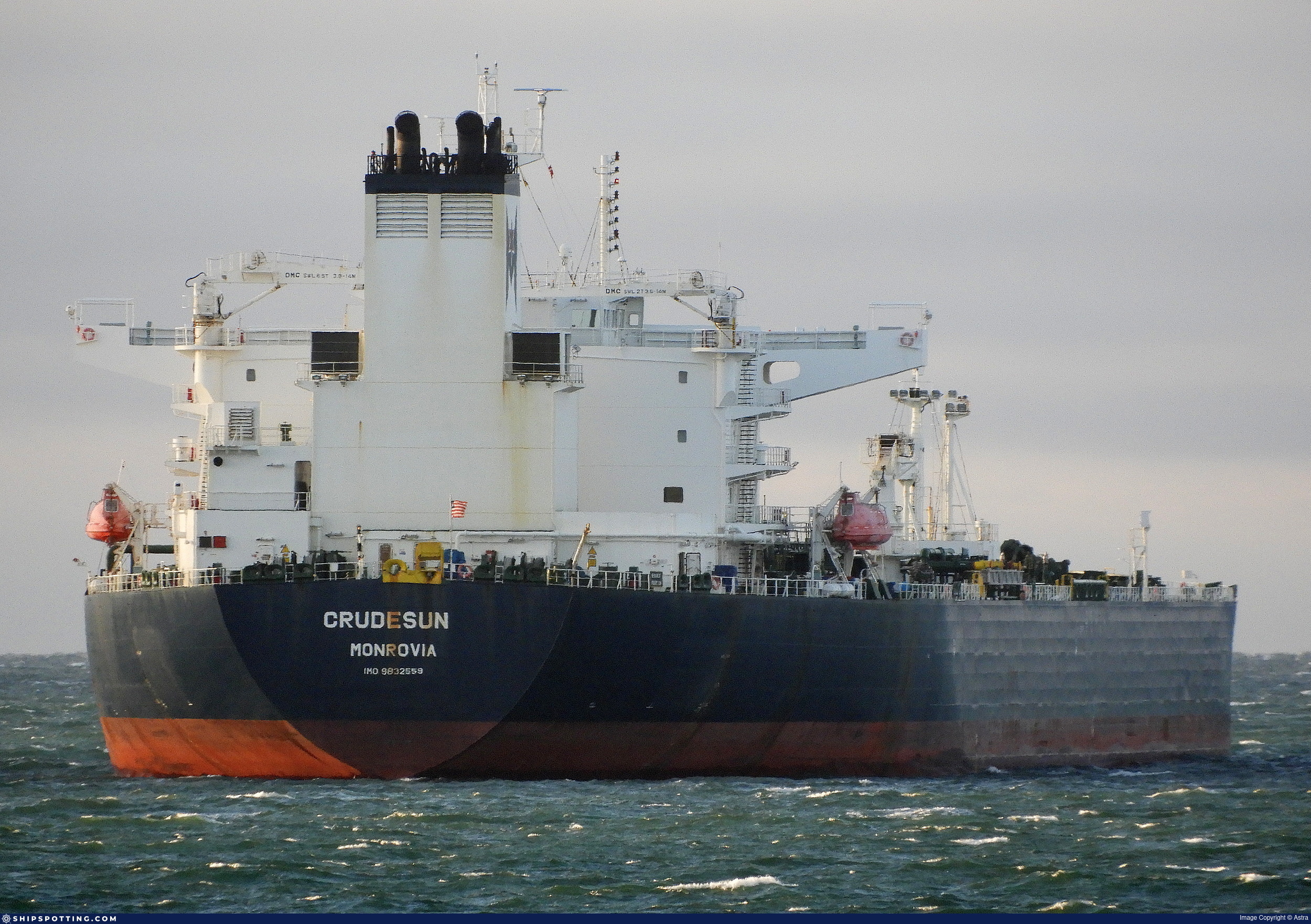
Roughly 30 minutes after the first incident, Turkey reported a second explosion aboard the tanker Virat, further east in the Black Sea. The Maritime Affairs Directorate said the ship was “hit” and heavy smoke was detected in its engine room. All 20 crewmembers were reported to be in good condition. Following the Black Sea tanker explosion affecting Virat, early reports indicate the vessel was stationary in the region awaiting orders.
The Virat has a similarly complex history. It was sanctioned by the United States in January 2025 for transporting Russian oil and later designated by the EU, UK, and Canada. FleetLeaks maintains a imo-9832559/”>profile of the vessel.
Though both ships have recently been associated with the Gambian flag, Turkish authorities and shipping data now list their flags as unknown. The Maritime Executive noted that both vessels were reportedly sold to Chinese companies earlier this year, a pattern FleetLeaks has documented in numerous shadow-fleet restructurings.
AIS last known positions
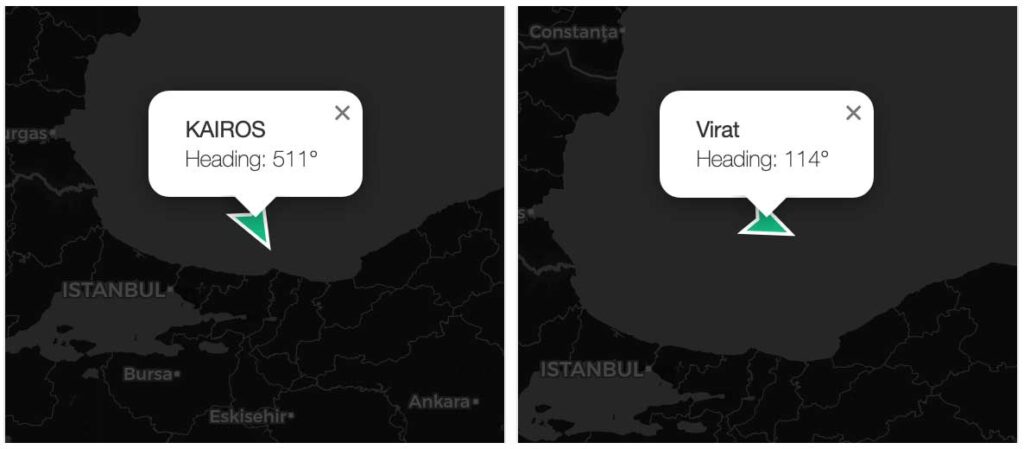
FleetLeaks reviewed AIS data for both tankers leading up to the reported explosions. The Kairos continued to broadcast normally, with its final AIS update recorded on 2025-11-28 at 18:58 UTC at approximately 41.145° N, 29.122° E, placing it still in the western Black Sea and broadly consistent with the location described by Turkish authorities.
The Virat, however, transmitted its last AIS signal earlier—on 2025-11-26 at 14:53 UTC—at 42.785° N, 29.985° E, while drifting slowly near the Turkish coast. The two-day AIS silence before the incident is notable; periods of intermittent or discontinued AIS broadcasts are a documented pattern across the sanctions-designated “shadow fleet,” especially when vessels await orders or transition between flag states.
Broader context: a hazardous region and a risky fleet
The Black Sea has remained heavily contaminated with naval mines since the early months of Russia’s full-scale invasion of Ukraine in 2022. Merchant vessels—tankers included—have repeatedly encountered drifting mines, especially along routes leading toward Novorossiysk. The Black Sea tanker explosion underscores how any vessel in the area—sanctioned or not—faces elevated operational risk. At the same time, the region has seen the rapid evolution of long-range maritime drones, which Ukraine has used against Russian naval ships and oil-handling infrastructure far from the immediate combat zone.
Whether the explosions were caused by mines, drifting remnants of earlier minefields, or a different form of external impact—such as a long-range maritime drone—remains unconfirmed. Turkish authorities have so far only said the Kairos reported an “external impact,” while several maritime sources point to a mine strike as a likely scenario.
From FleetLeaks’ standpoint, the incidents highlight a broader pattern across Russia’s shadow fleet. Many sanctioned tankers now operate with limited oversight, opaque ownership structures, and reduced access to standard marine insurance. These conditions increase operational risk, especially in a waterspace already defined by drifting explosives, contested maritime routes, and unmapped hazards.
Both the Kairos and the Virat share the same risk profile we’ve documented for dozens of sanctioned vessels: aging tonnage, repeated flag changes, recent sales to shell companies, and complex ownership trails. Such ships continue to move Russian crude in high-risk corridors where even fully compliant, well-maintained tankers have faced navigation hazards.
Shipping traffic continues
Despite the two explosions, Turkey’s Maritime Affairs Directorate said vessel traffic through the Bosphorus remained uninterrupted. Rescue and firefighting operations for both tankers are ongoing.
FleetLeaks will continue monitoring AIS data, rescue movements, and any additional reporting from Turkish authorities, as well as imagery and AIS recovery signals once the vessels stabilize or are towed.