
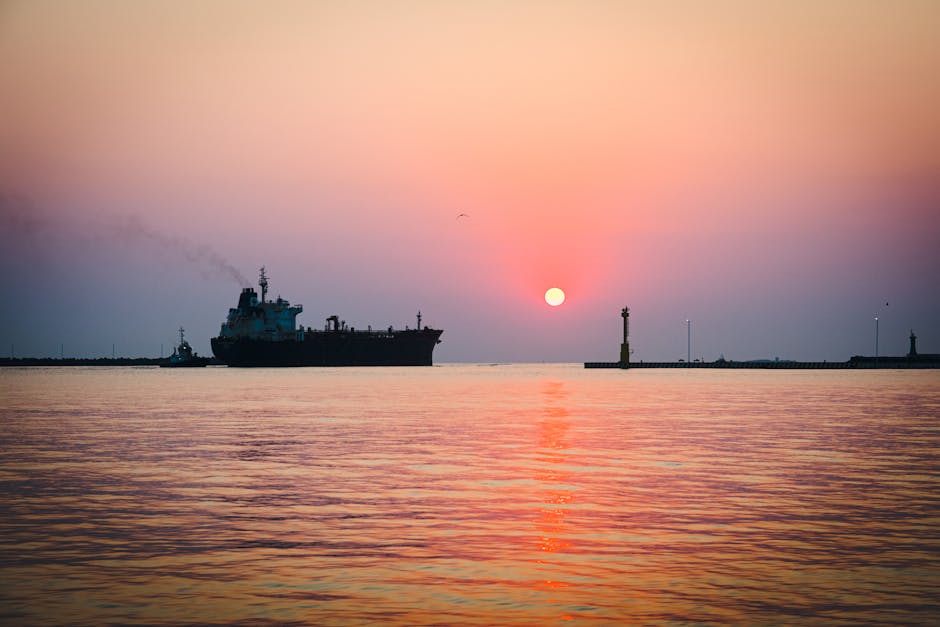
Russia‘s “Shadow Fleet“: How Sanction Evasion Fuels War and Endangers the Seas
After the full-scale invasion of Ukraine in 2022, Russia became the most sanctioned country in the world. However, it continues to find ways to bypass sanctions and finance its war through oil and gas revenues. That is where the “shadow fleet” comes into play – ships that do not sail under the Russian flag yet still benefit the aggressor state.
The shadow fleet has grown significantly since 2022, with estimates suggesting over 1,000 vessels are now involved in sanction evasion. These tankers often operate without proper identification systems, conduct illegal oil transfers, and fail to undergo regular technical inspections. Such actions violate maritime law, increasing the risks of accidents at sea and pollution harmful to marine ecosystems.
Sanctions and Consequences
The shadow fleet‘s activities have significant consequences for global energy markets and international relations. By evading sanctions, Russia is able to continue generating revenue from its oil and gas exports, which in turn fuels its war efforts in Ukraine. This has led to increased tensions between Russia and Western nations, with many calling for stricter enforcement of existing sanctions.
Maritime Law Violations
The shadow fleet‘s disregard for maritime law poses significant risks to the safety of ships, crew members, and the environment. Illegal oil transfers and lack of proper identification systems make it difficult to track these vessels, increasing the likelihood of accidents at sea. Furthermore, the failure to undergo regular technical inspections puts the lives of crew members at risk.
International Response
The international community has been slow to respond to the shadow fleet‘s activities, with many nations failing to take decisive action against sanctioned entities. However, some countries have begun to impose their own sanctions on companies and vessels connected to the shadow fleet. This is a crucial step in holding Russia accountable for its actions and preventing further violations of maritime law.
In conclusion, the shadow fleet poses significant risks to global energy markets, international relations, and the safety of ships and crew members. It is imperative that nations work together to impose stricter sanctions on sanctioned entities and hold Russia accountable for its actions.
Original Article: Russia’s “Shadow Fleet”: How Sanction Evasion Fuels War and Endangers the Seas — Gov