United States (OFAC) — Sanctioned Vessels, Guidance & Recent Actions
The U.S. has targeted vessels connected to Russia’s war against Ukraine with two main tools: classic blocking sanctions (where a ship or its owner is placed on the SDN List, making the vessel blocked property) and price-cap enforcement against maritime services used to ship Russian oil above the G7/EU cap. Early in the 2022 campaign, OFAC even identified specific ships as blocked property tied to sanctioned owners. Since late 2023, the Price Cap Coalition has sharpened scrutiny of the maritime “shadow fleet,” and OFAC has continued naming vessels, owners, and facilitators involved in deceptive practices (AIS spoofing, risky STS, opaque ownership). Foreign banks now also face secondary-sanctions risk if they support Russia’s war economy under Section 11 of EO 14024. Stakeholders who should monitor this space include shipowners, operators, charterers, brokers, insurers/P&I, classification societies, flag registries, port and bunker providers, commodity traders, and banks.
Quick history
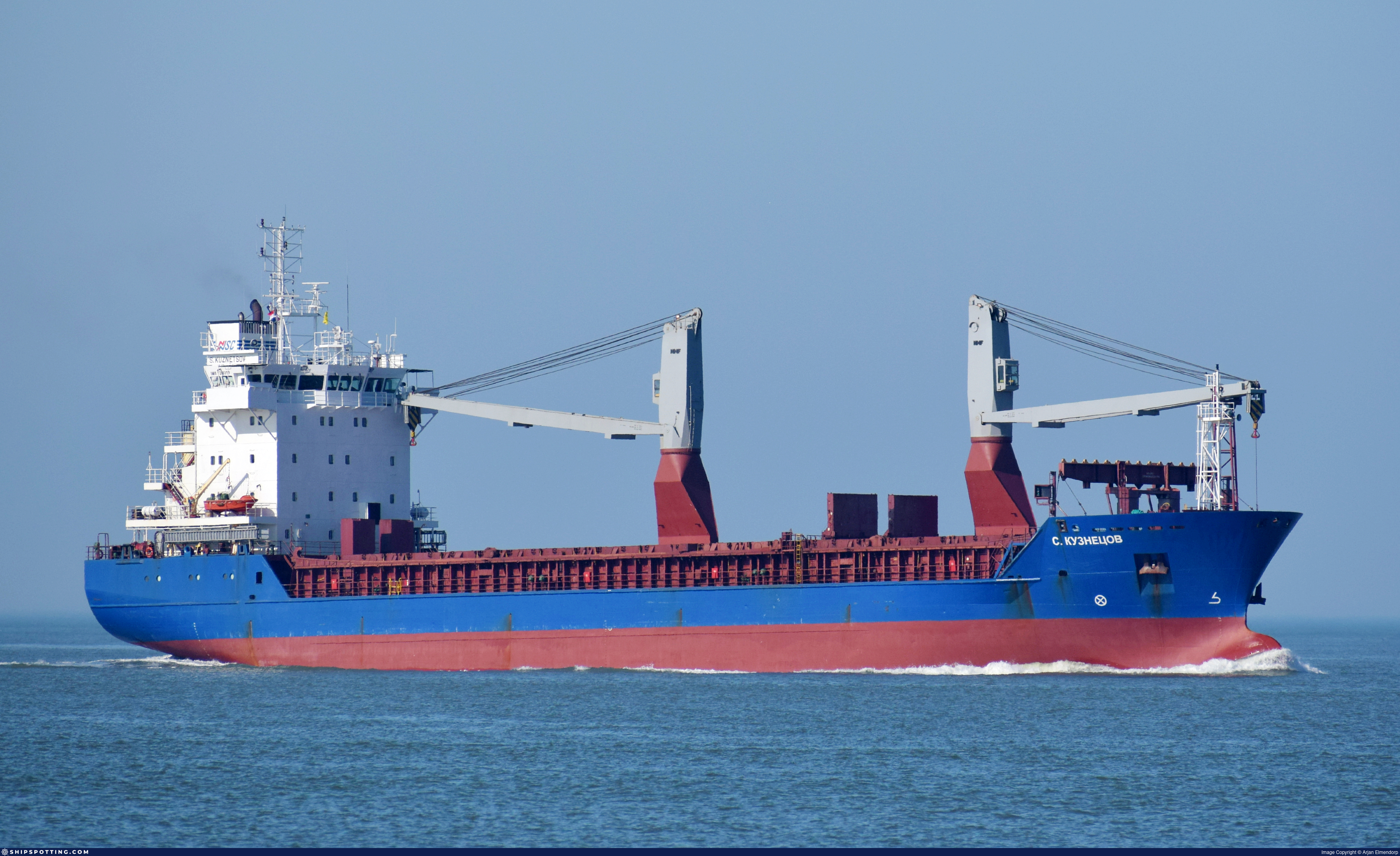
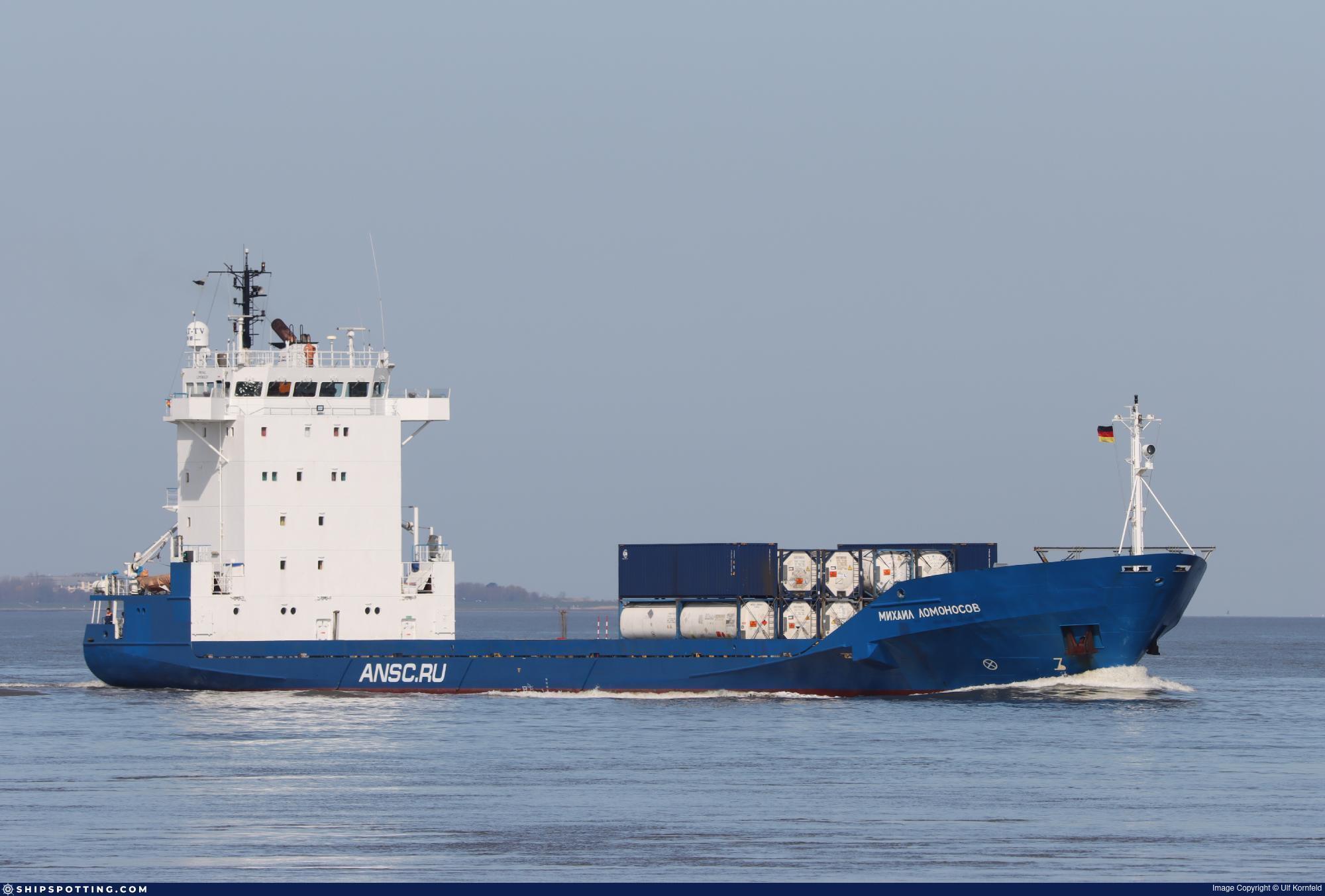
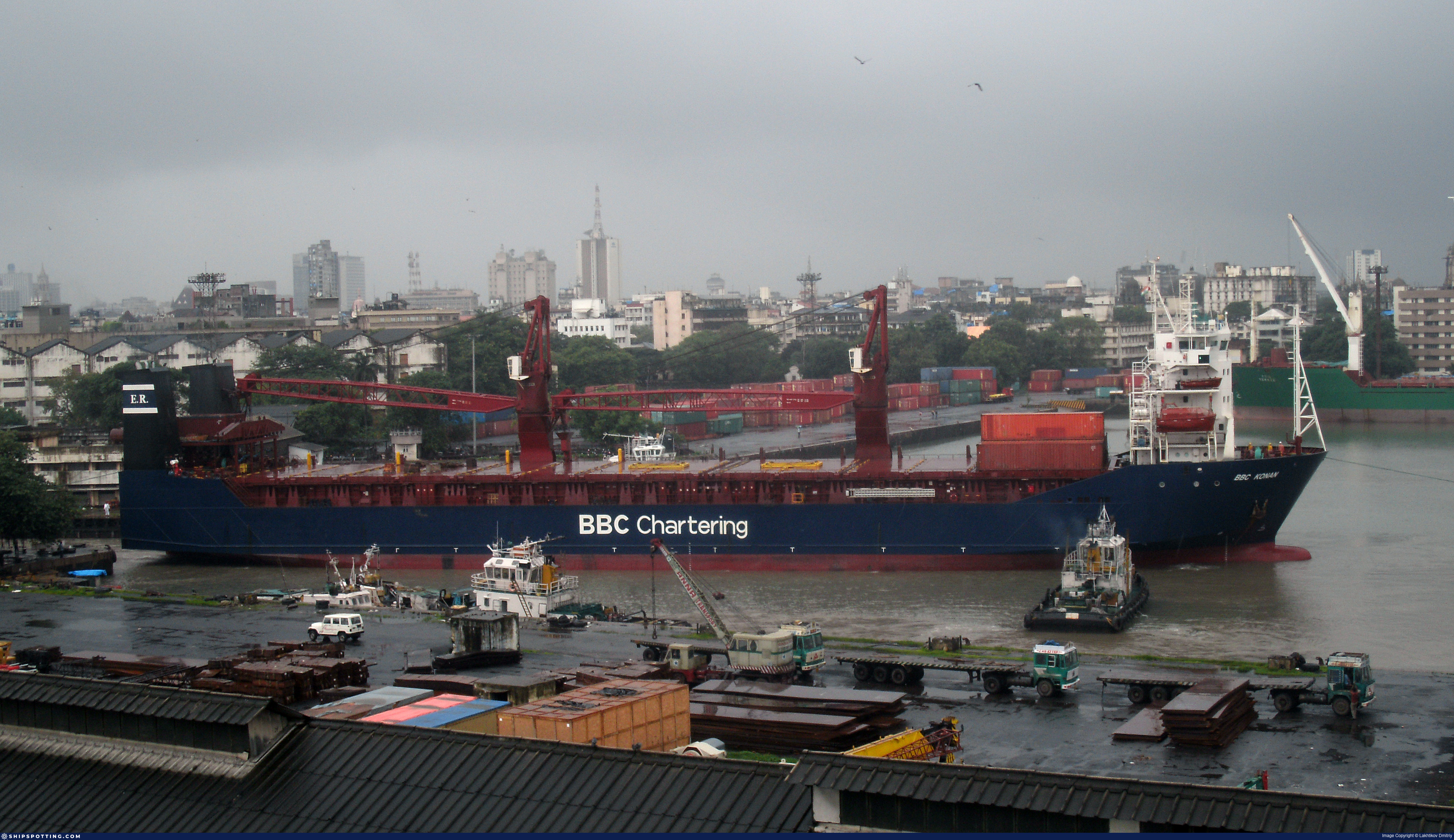
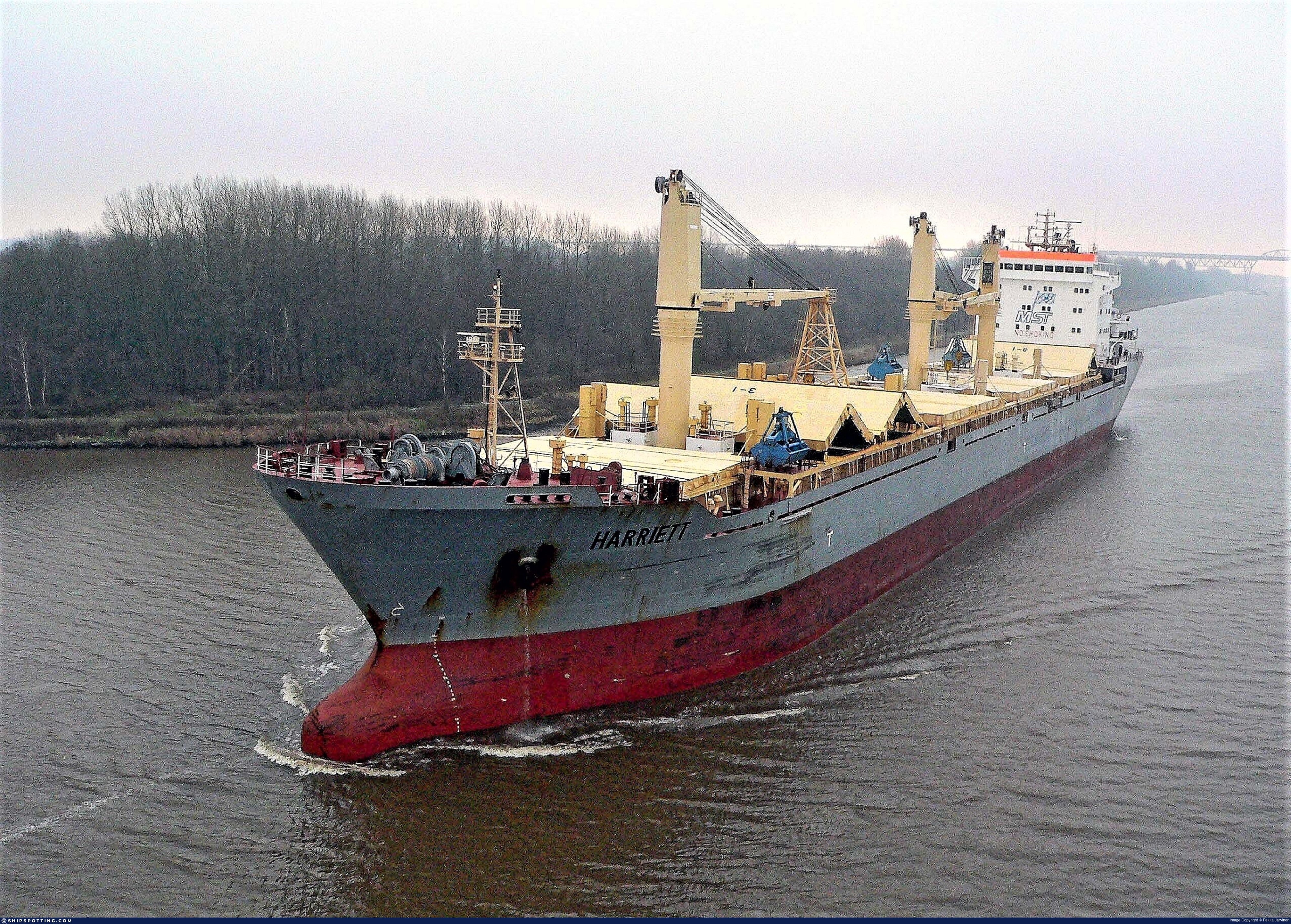
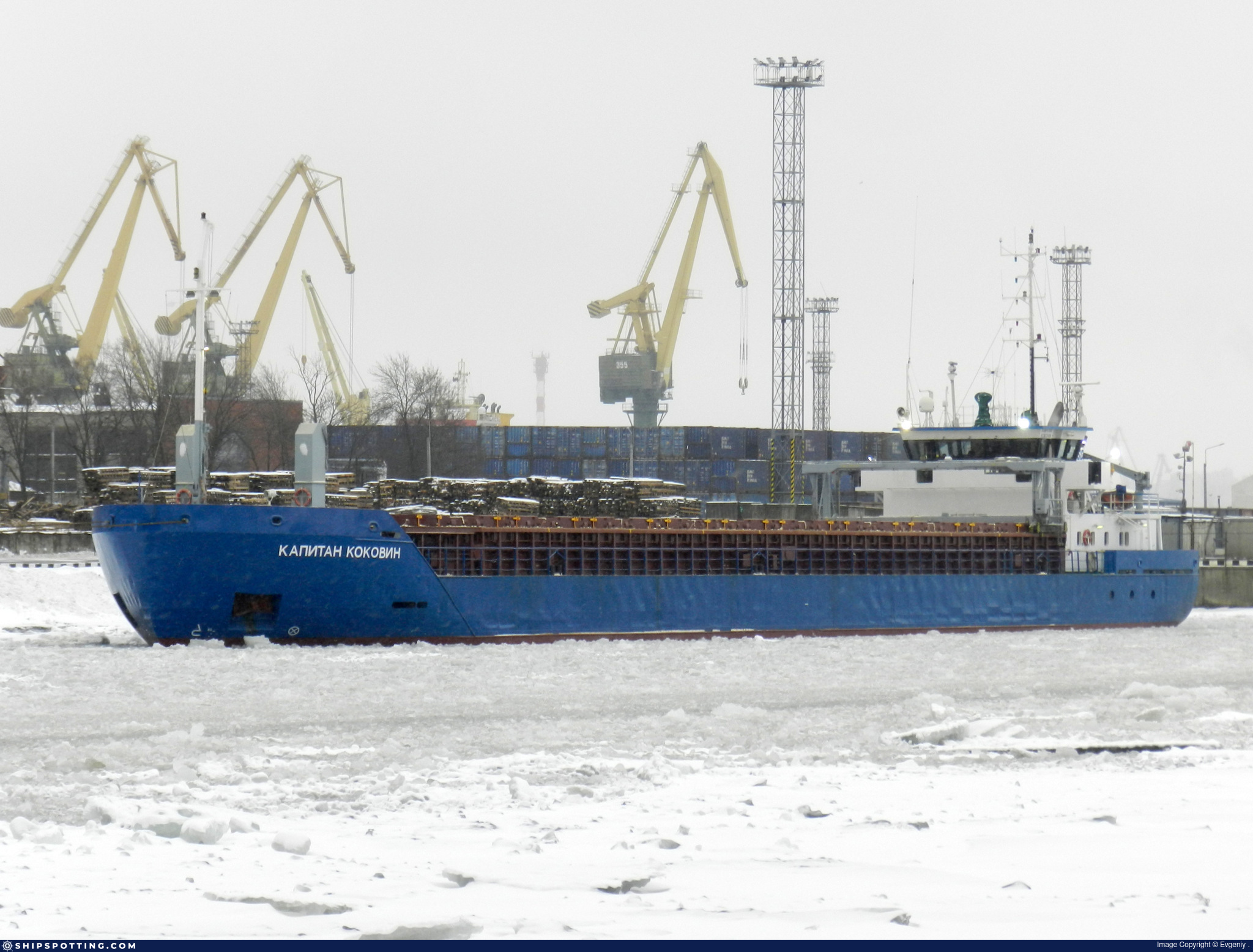
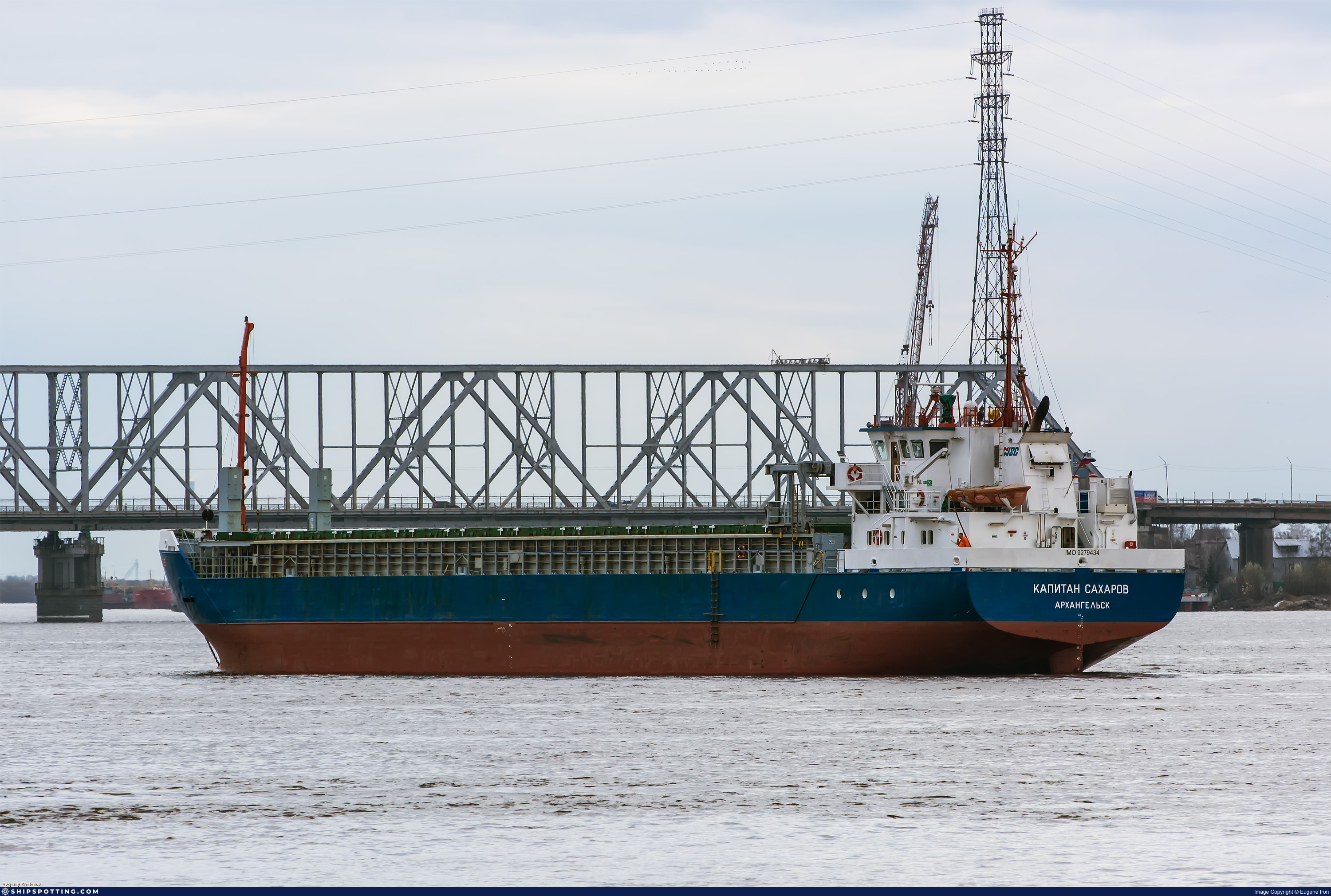
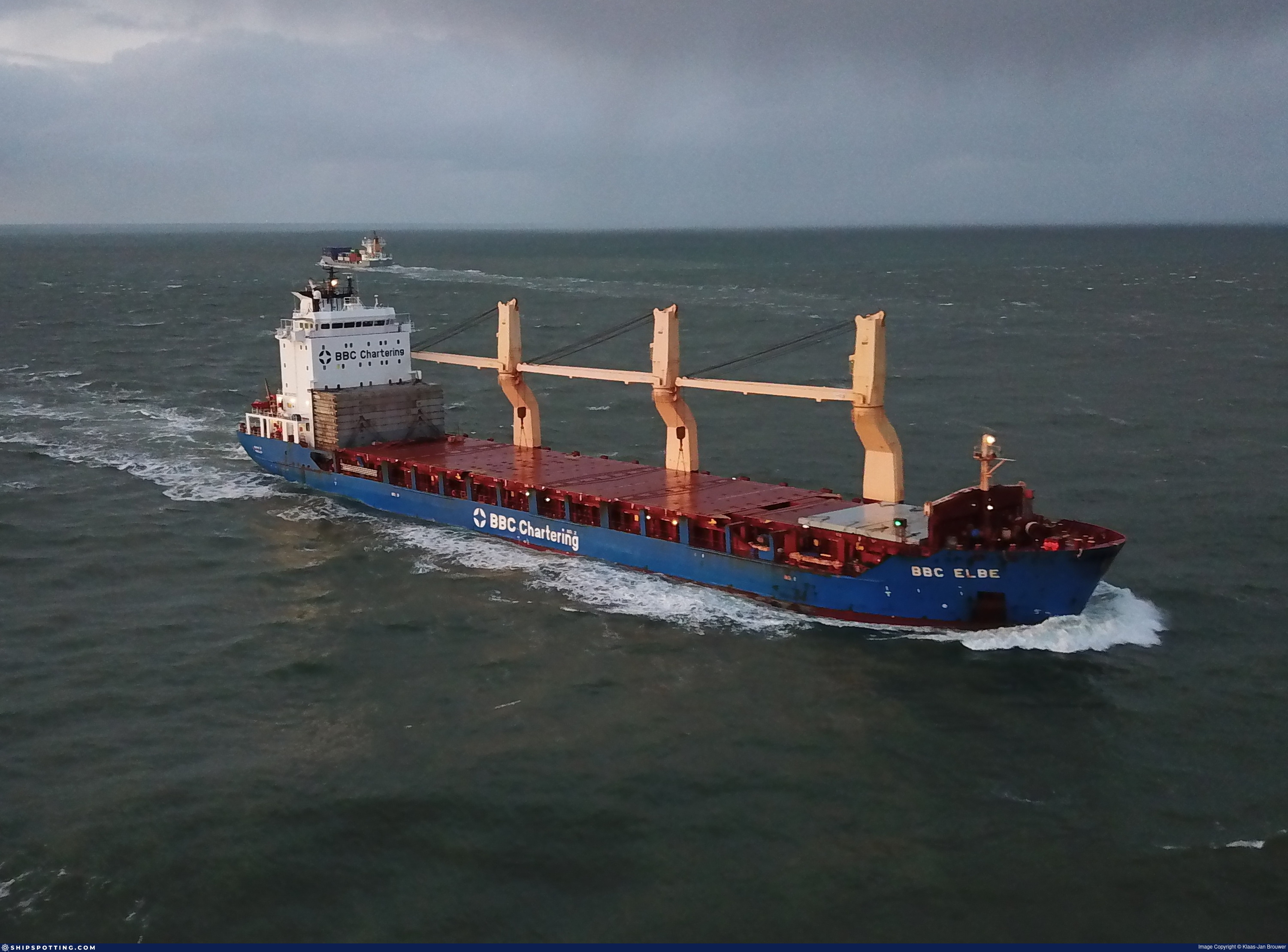
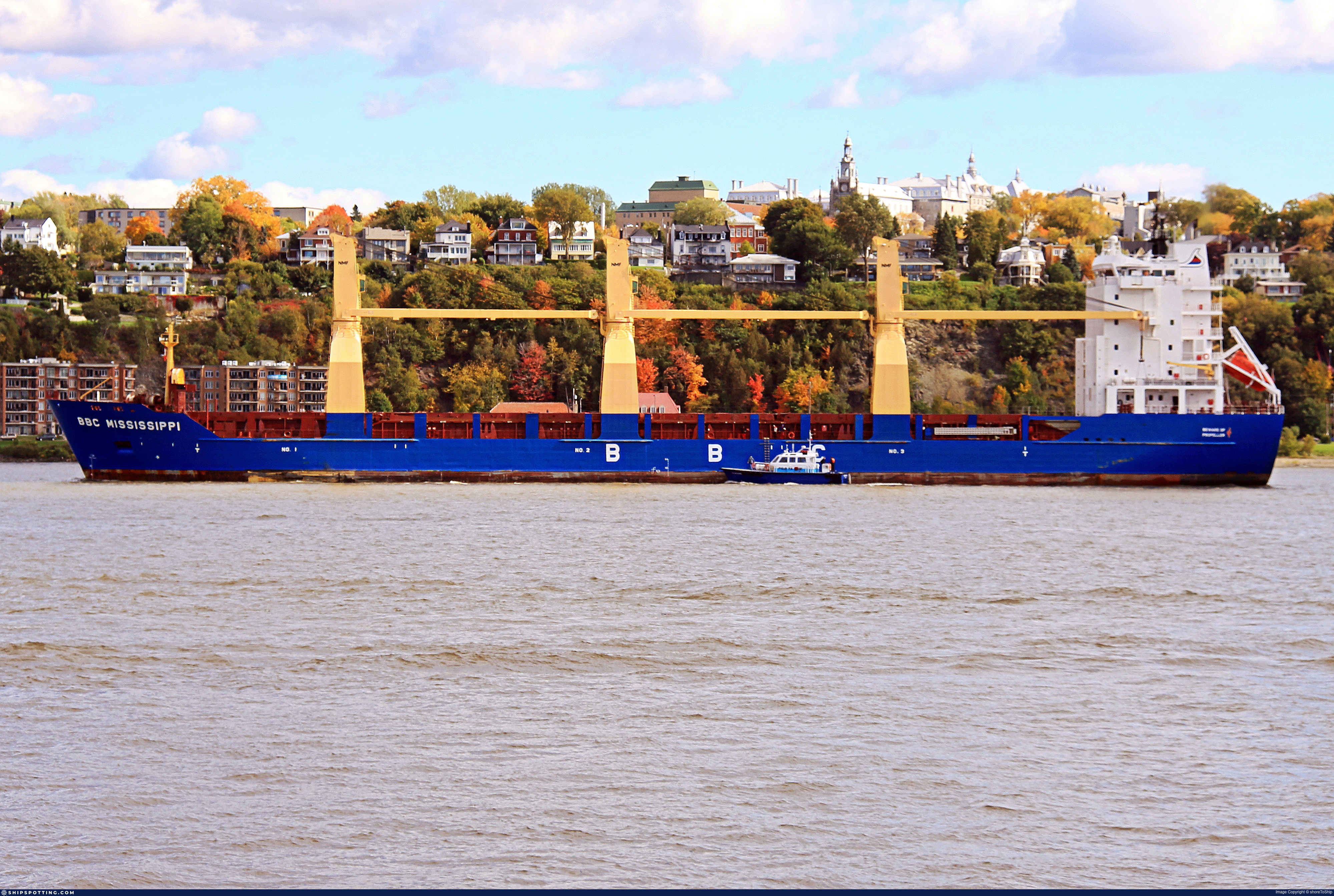
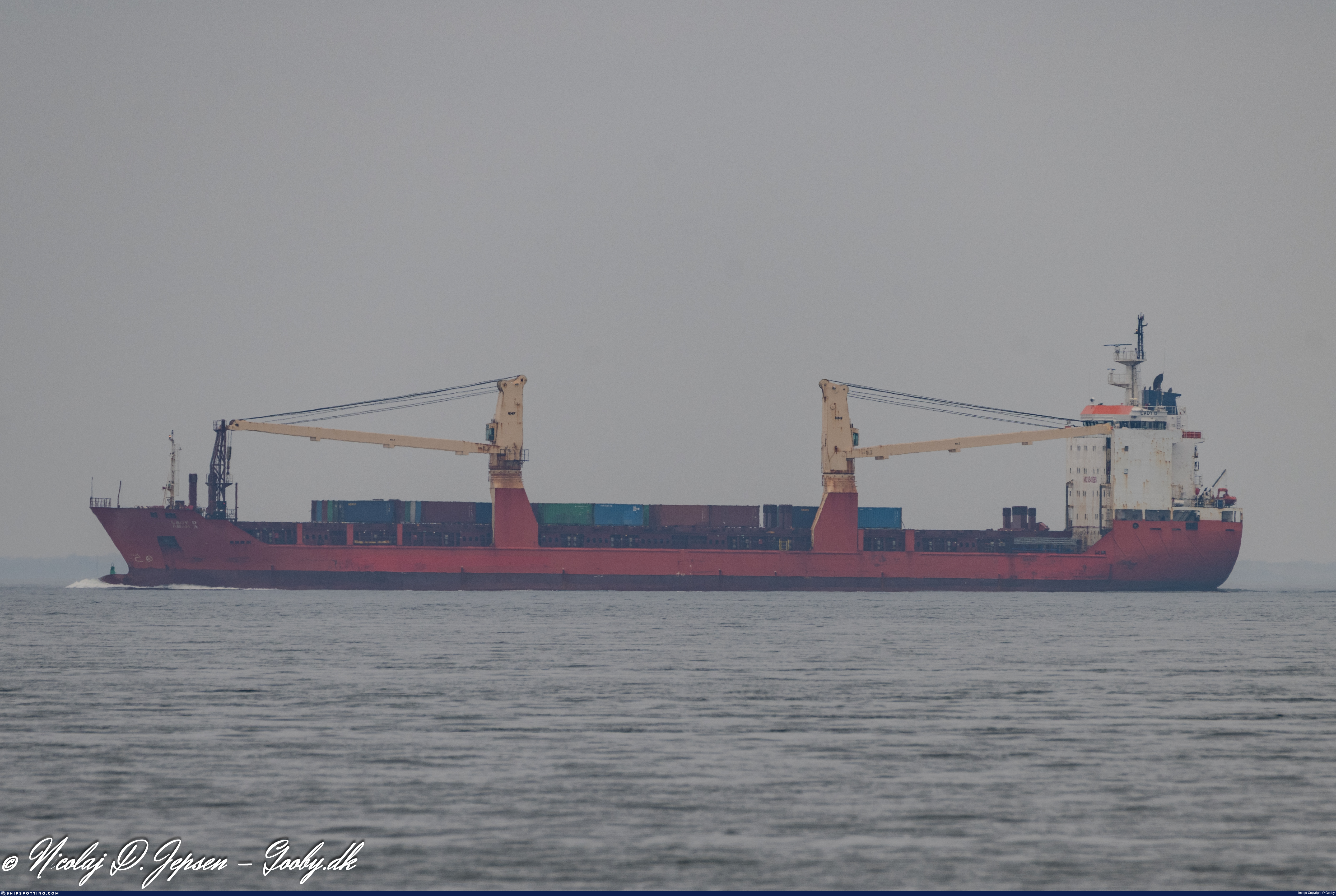
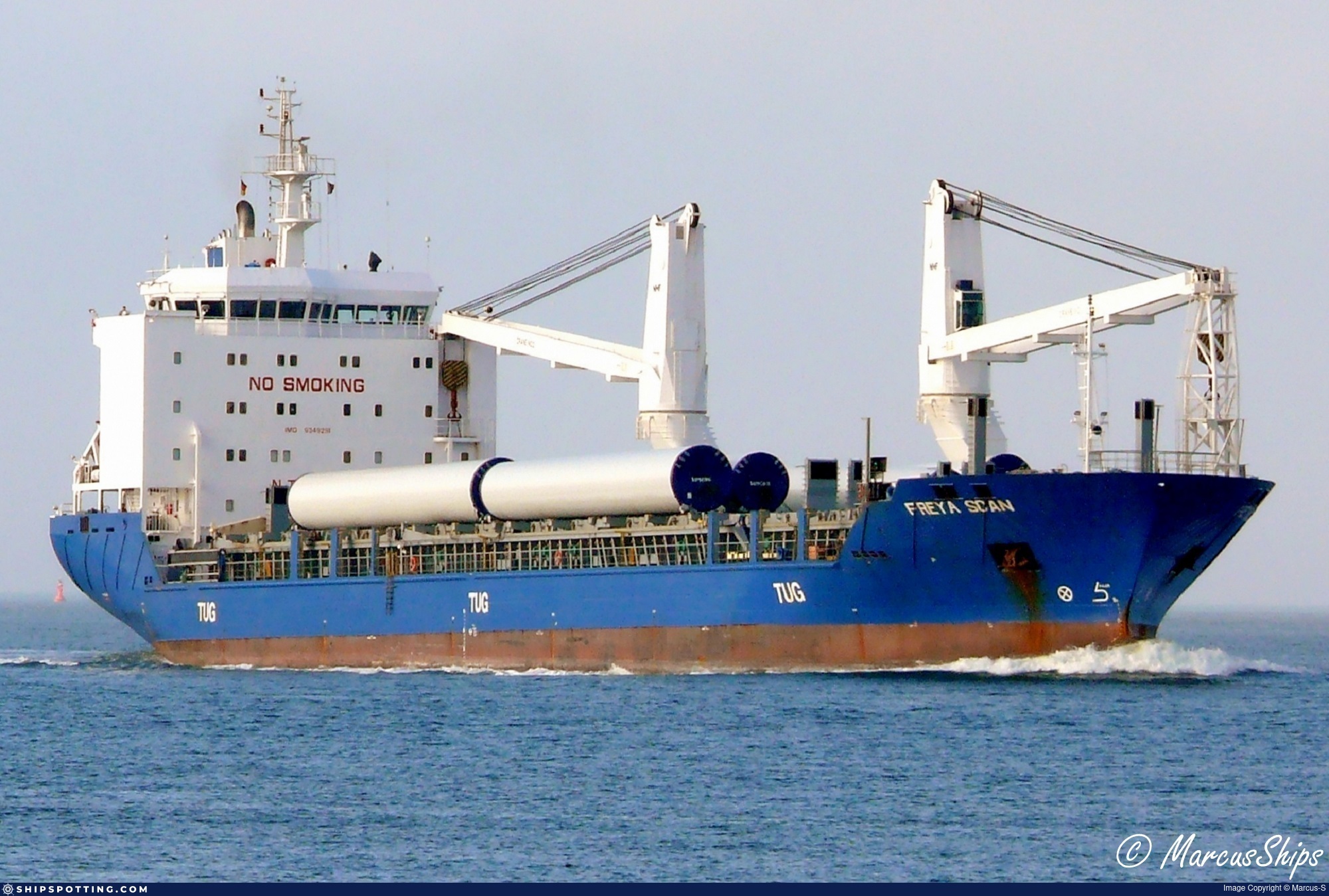
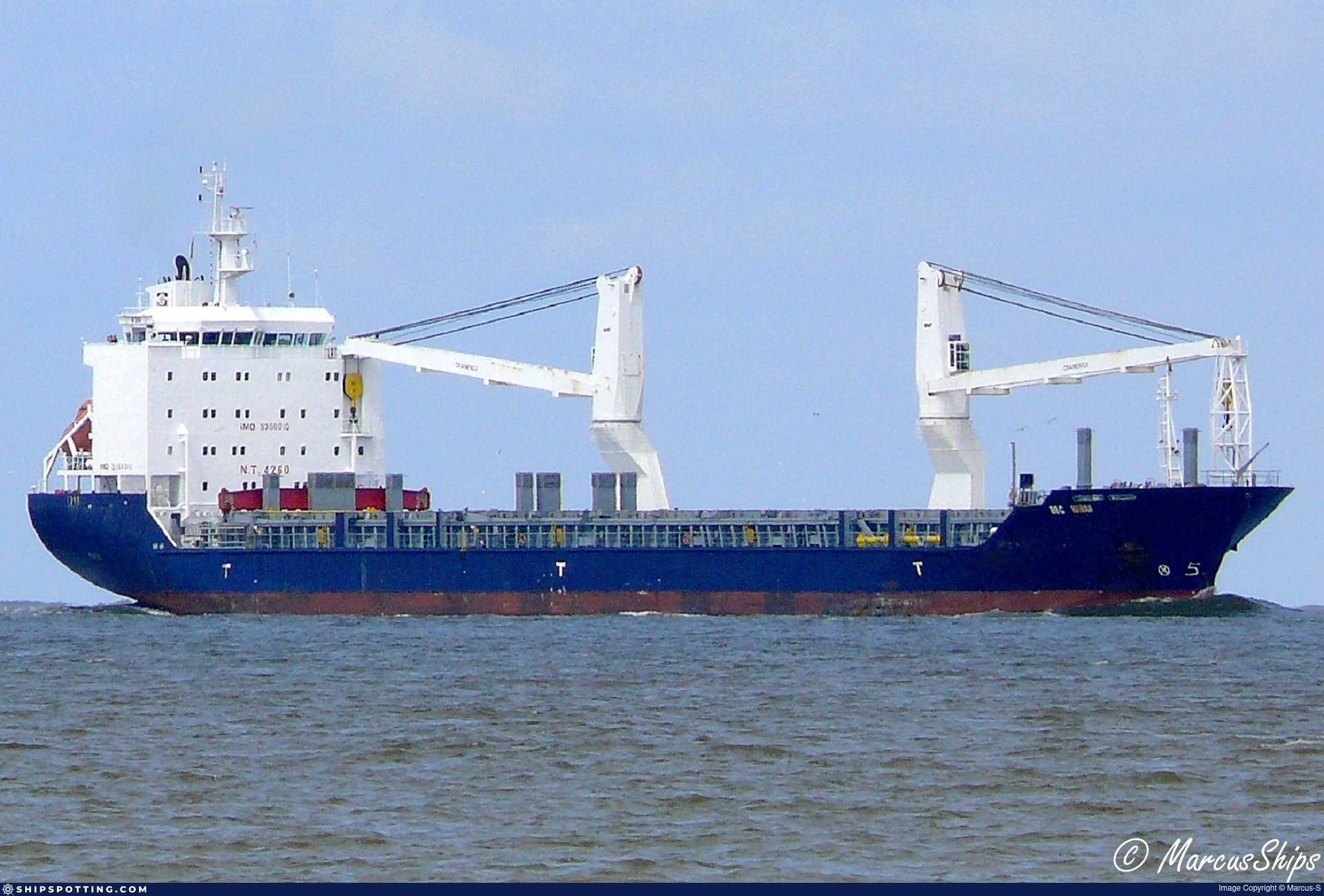
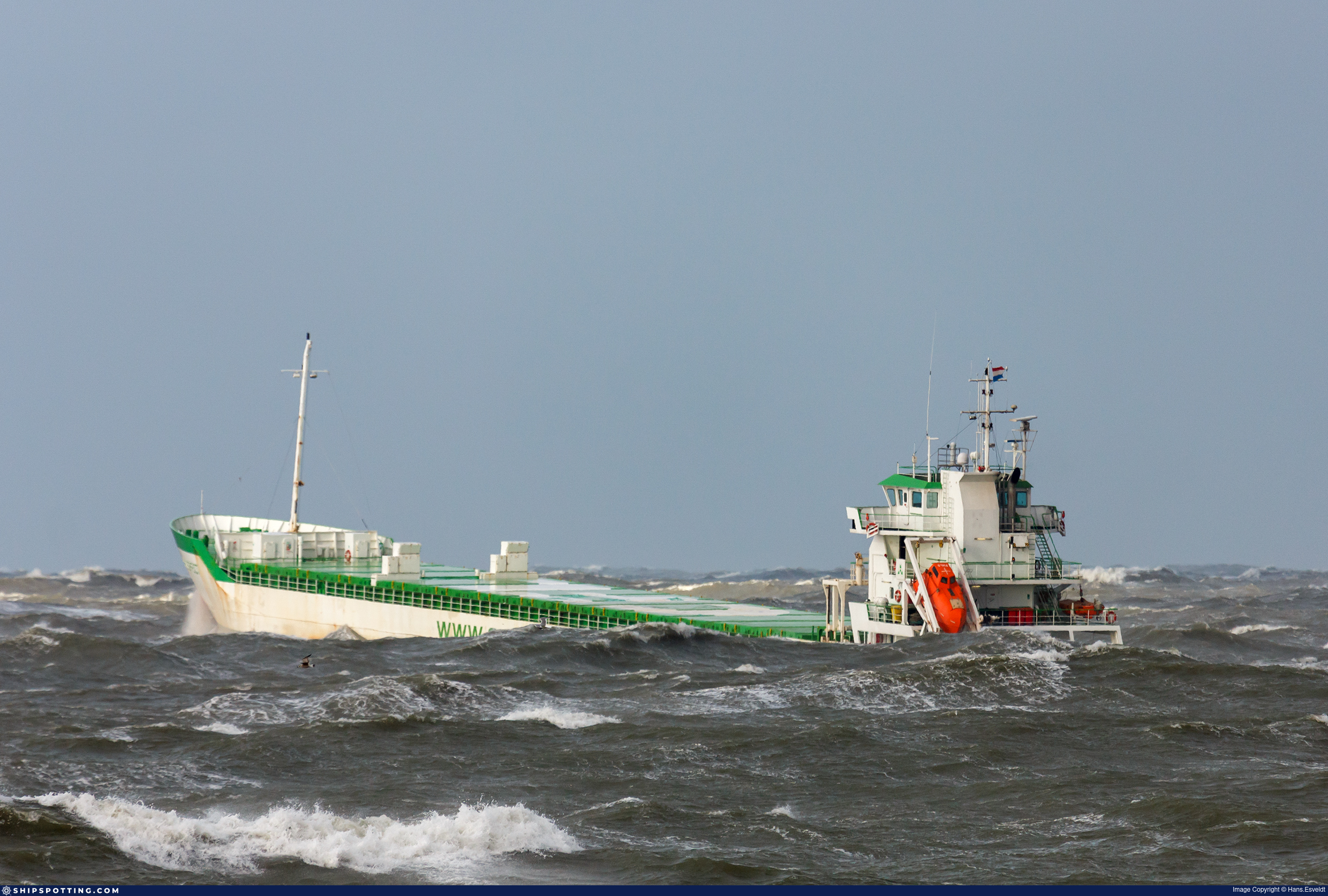
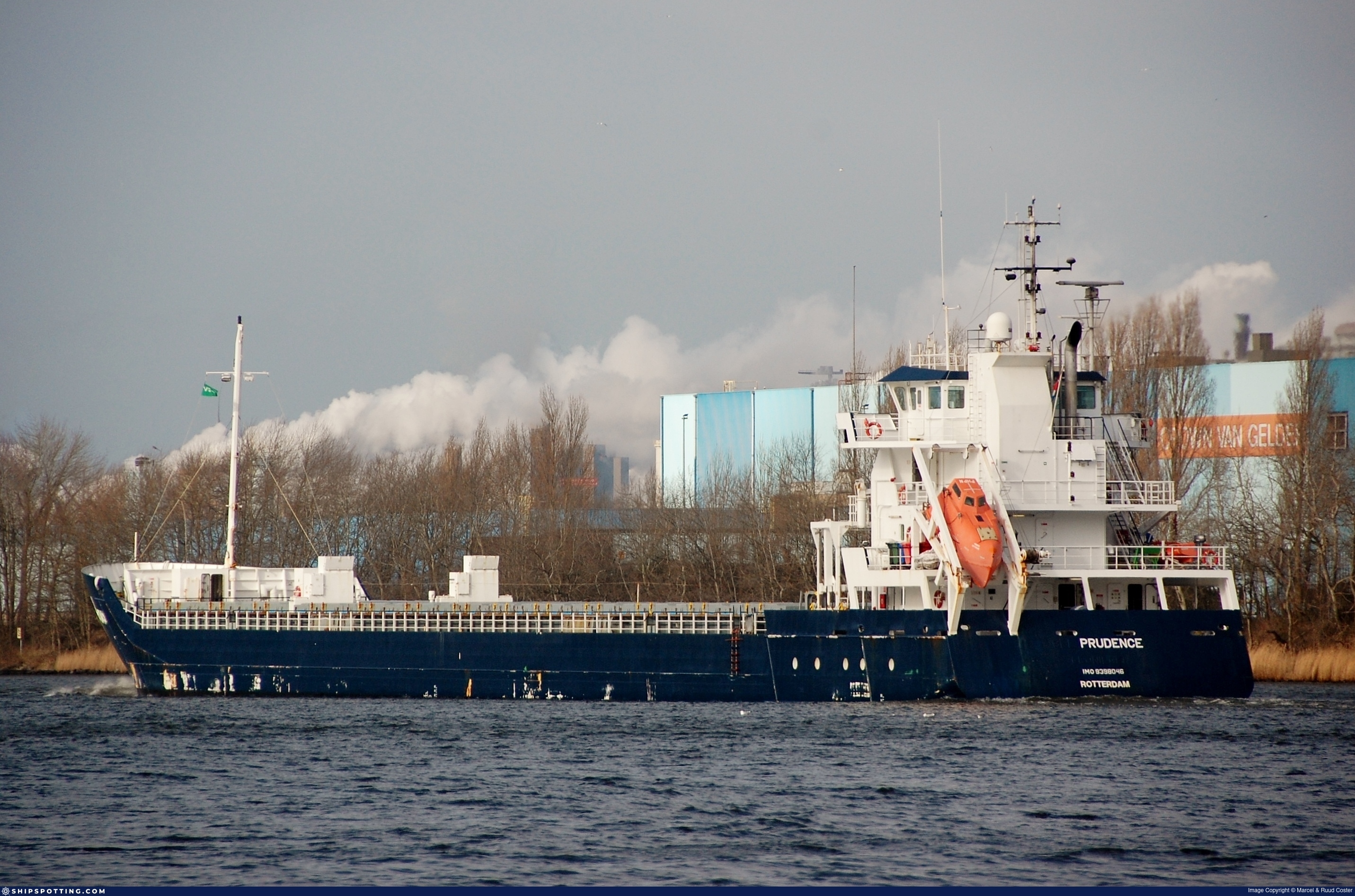
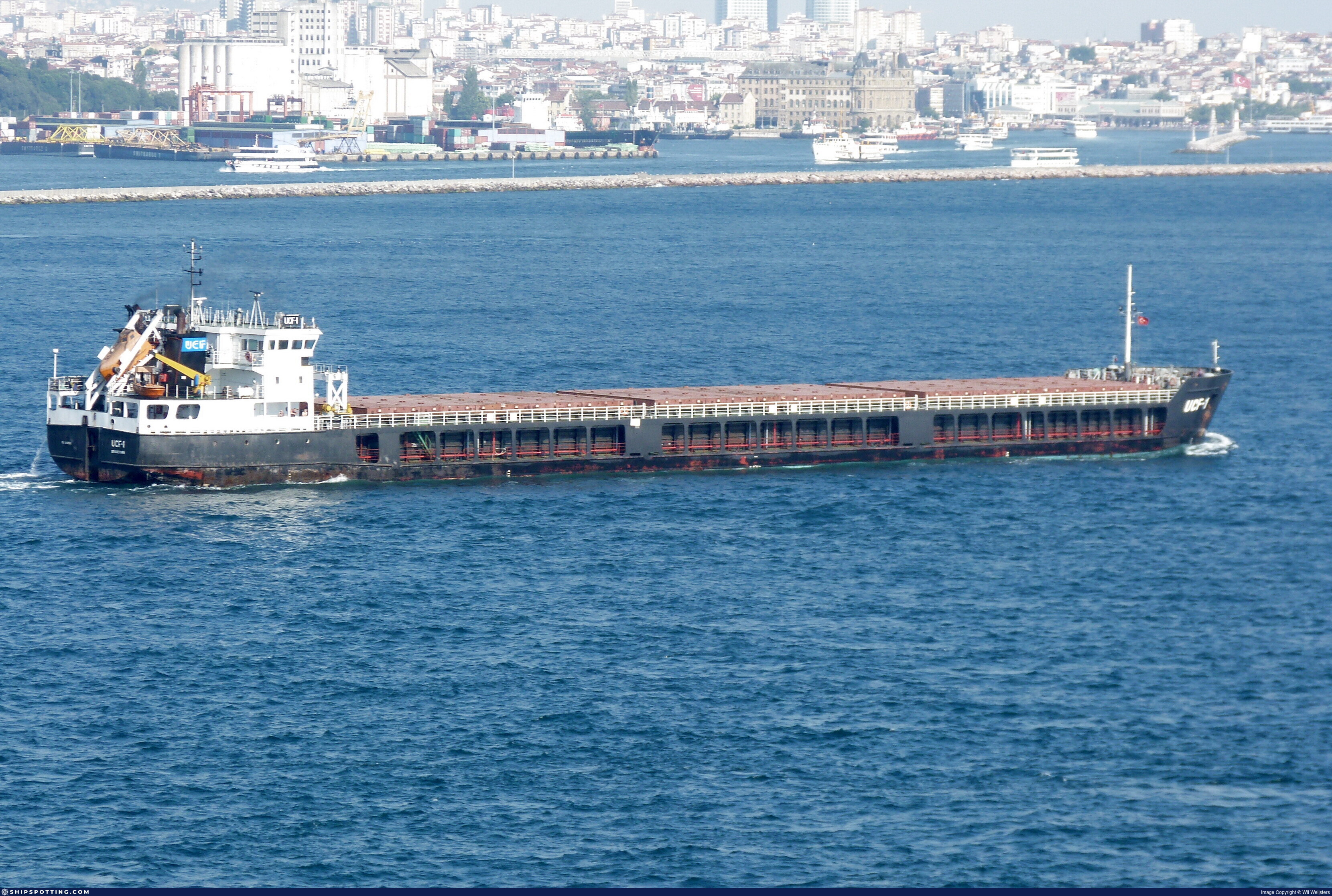
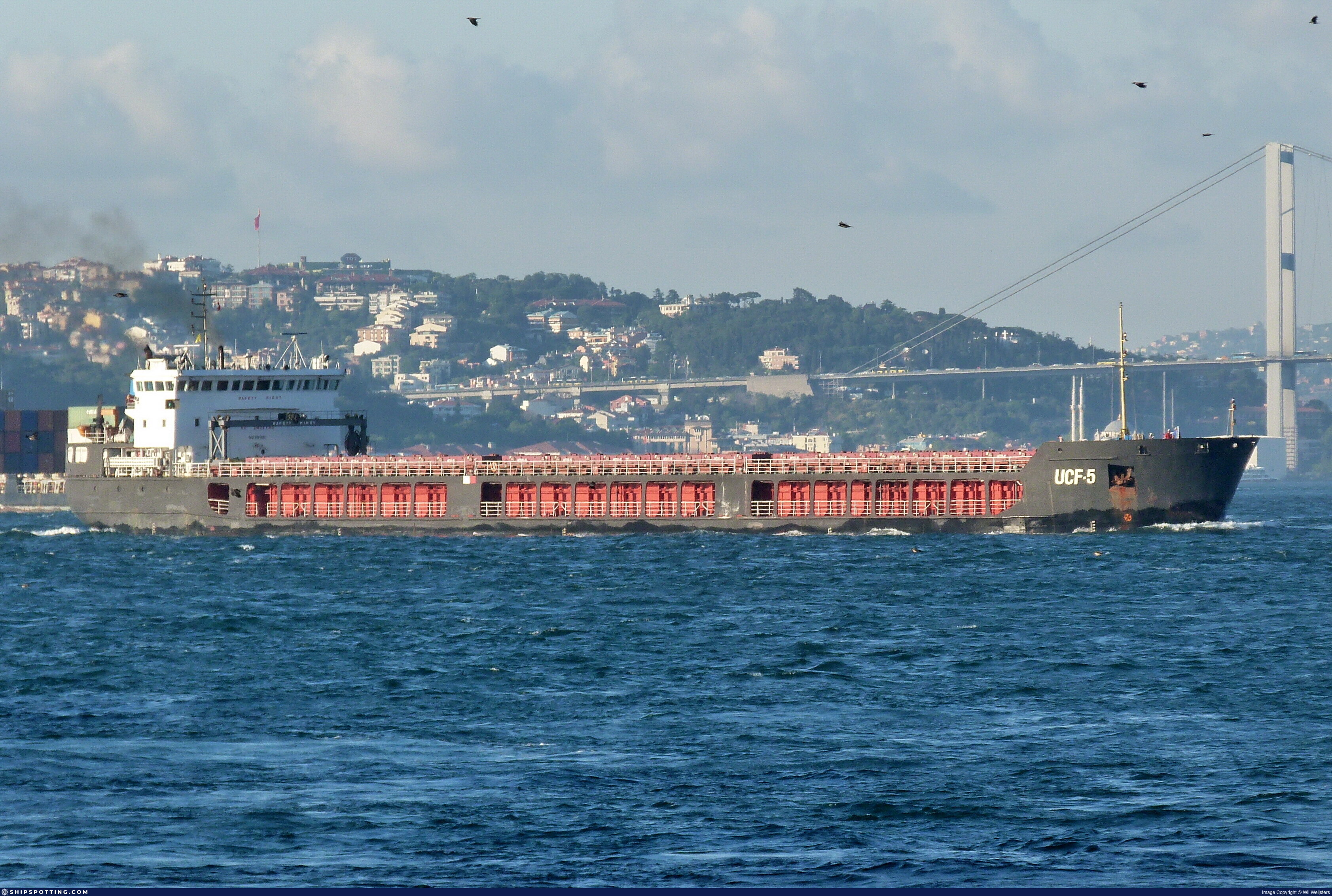
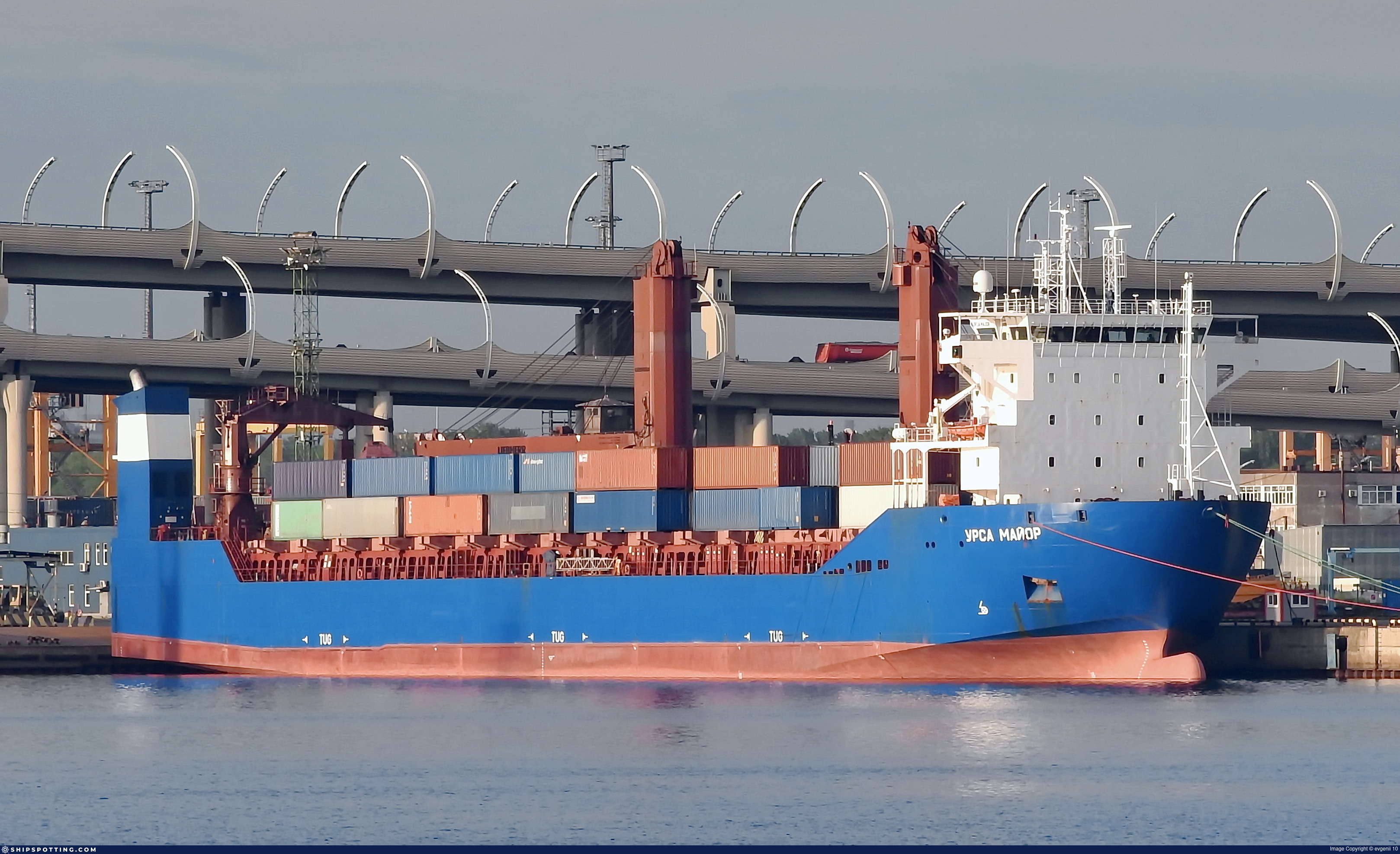
- Apr 6, 2022 – first wave w/ vessels explicitly flagged. As part of a broad action against Sberbank/Alfa-Bank after the full-scale invasion, OFAC identified five Alfa-Lizing-owned vessels as blocked property (naming each ship and IMO). That put specific ships squarely under blocking sanctions in this conflict’s context.
- Oct 12, 2023 – price cap enforcement focus turns to ships. The Price Cap Coalition issued its maritime advisory to the oil/shipping ecosystem (red flags, attestation, AIS manipulation, opaque ownership). From this point forward, OFAC began naming vessels/owners involved in Russian oil shipments above the cap as enforcement targets.
U.S. Department of the Treasury - Feb 23, 2024 – major tankers action. The U.S. sanctioned Sovcomflot and 14 tankers linked to Russia’s oil trade; OFAC simultaneously issued a temporary license so cargoes already afloat could be off-loaded safely.
- Oct 21, 2024 – “shadow fleet” update. The coalition updated its maritime advisory, calling out deceptive practices and urging tighter KYC on shipping services and ownership/insurance opacity.
Triggers & patterns the U.S. targets
- Russian-origin oil moved above the price cap (or with deceptive practices: spoofed AIS, ship-to-ship in high-risk zones, shell ownership).
U.S. Department of the Treasury - Support to Russia’s war economy / military-industrial base, including networks providing logistics, components, or finance; since Dec 2023, Section 11 of EO 14024 adds bite against foreign financial institutions that facilitate significant transactions.
What the sanctions entail (consequences)
- Blocking sanctions (SDN). A listed vessel (or a vessel identified as a blocked property interest) is treated as blocked property: U.S. persons must freeze assets; all dealings are prohibited, and the 50% rule extends blocking to majority-owned entities. (Example: the Alfa-Lizing ships explicitly identified as blocked property.)
U.S. Department of the Treasury - Price-cap services bans + enforcement. U.S. persons (and firms in the coalition) generally cannot provide key maritime services (insurance, brokering, financing, shipping, flagging, etc.) if the oil is above the cap; OFAC has been designating vessels/owners tied to above-cap shipments.
U.S. Department of the Treasury - Secondary-sanctions risk (since Dec 2023). Foreign financial institutions face sanctions risk if they conduct significant transactions for Russia’s military-industrial base or certain sanctioned persons; OFAC has even started tagging many list entries with “Secondary sanctions risk (Section 11, EO 14024)” to make the risk explicit.
Who needs to pay attention
- Shipowners/beneficial owners, operators, managers (crewing, technical), charterers, and brokers.
- Insurers/P&I clubs, class societies, flag registries, port agents, bunker suppliers, pilots/terminal operators.
- Commodity traders, banks/FFIs, payment processors—especially in light of Section 11 risk.
- This is exactly who the Price Cap Coalition’s maritime advisory addresses, with due-diligence expectations and red flags.
U.S. Department of the Treasury
Sanctions Designation Timeline
Filter: 🇺🇸 US
May 8, 2022
-

-
-
-
-
-
-
-
Np Dikson — Chemical/Products Tanker | Transporteur de produits chimiques — EU Russia Sanctions – Shadow Fleet | SEMA (Canada) — vessel designations | RUSSIA-EO14024 | The Russia (Sanctions) (EU Exit) Regulations 2019 🇺🇸 US 🇪🇺 EU 🇬🇧 UK
-
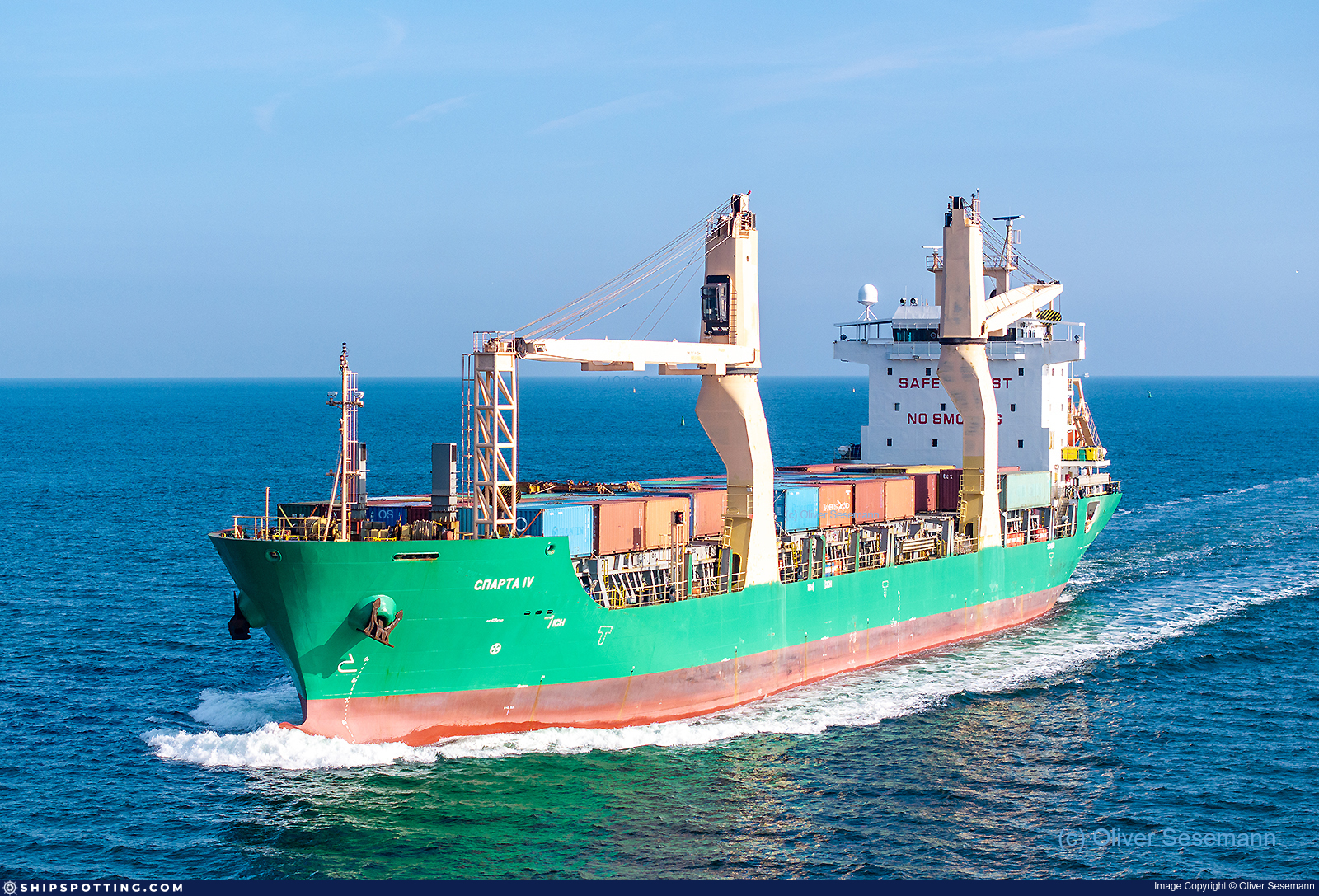
SPARTA — Ro-Ro Cargo | Cargo roulier — EU Russia Sanctions – Shadow Fleet | SEMA (Canada) — vessel designations | RUSSIA-EO14024 🇺🇸 US 🇪🇺 EU
-
-
-
-
-
-
-
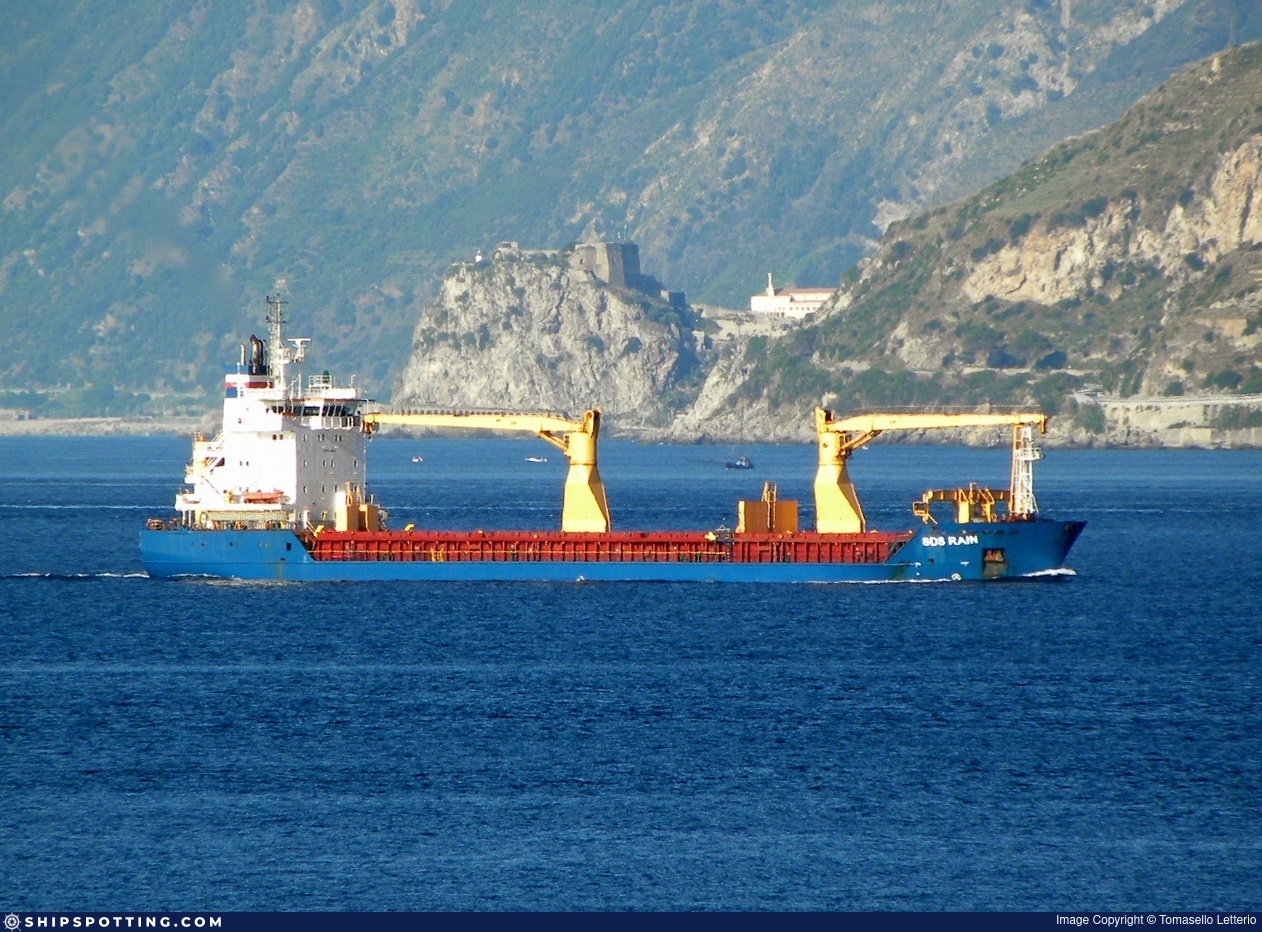
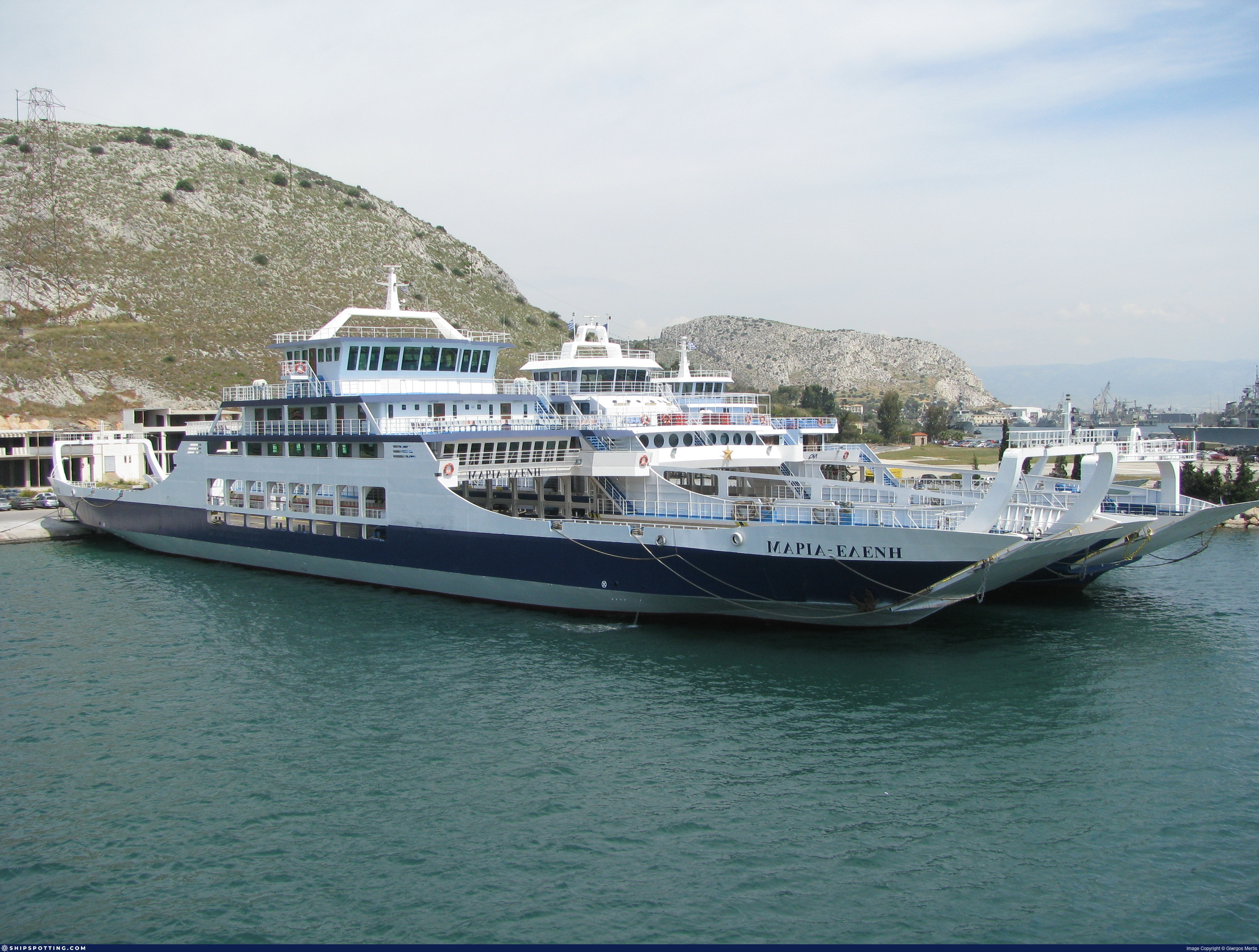
Maia-1 — General Cargo — SEMA (Canada) — vessel designations | RUSSIA-EO14024 | Added in EU Sanctions Package 14 | (Council Decision (CFSP) 2024/1744, Annex XLII (new listing framework)) | Press Release | Official Journal 🇺🇸 US 🇪🇺 EU 🇳🇿 NZ
-
-
-
-
-
-
-
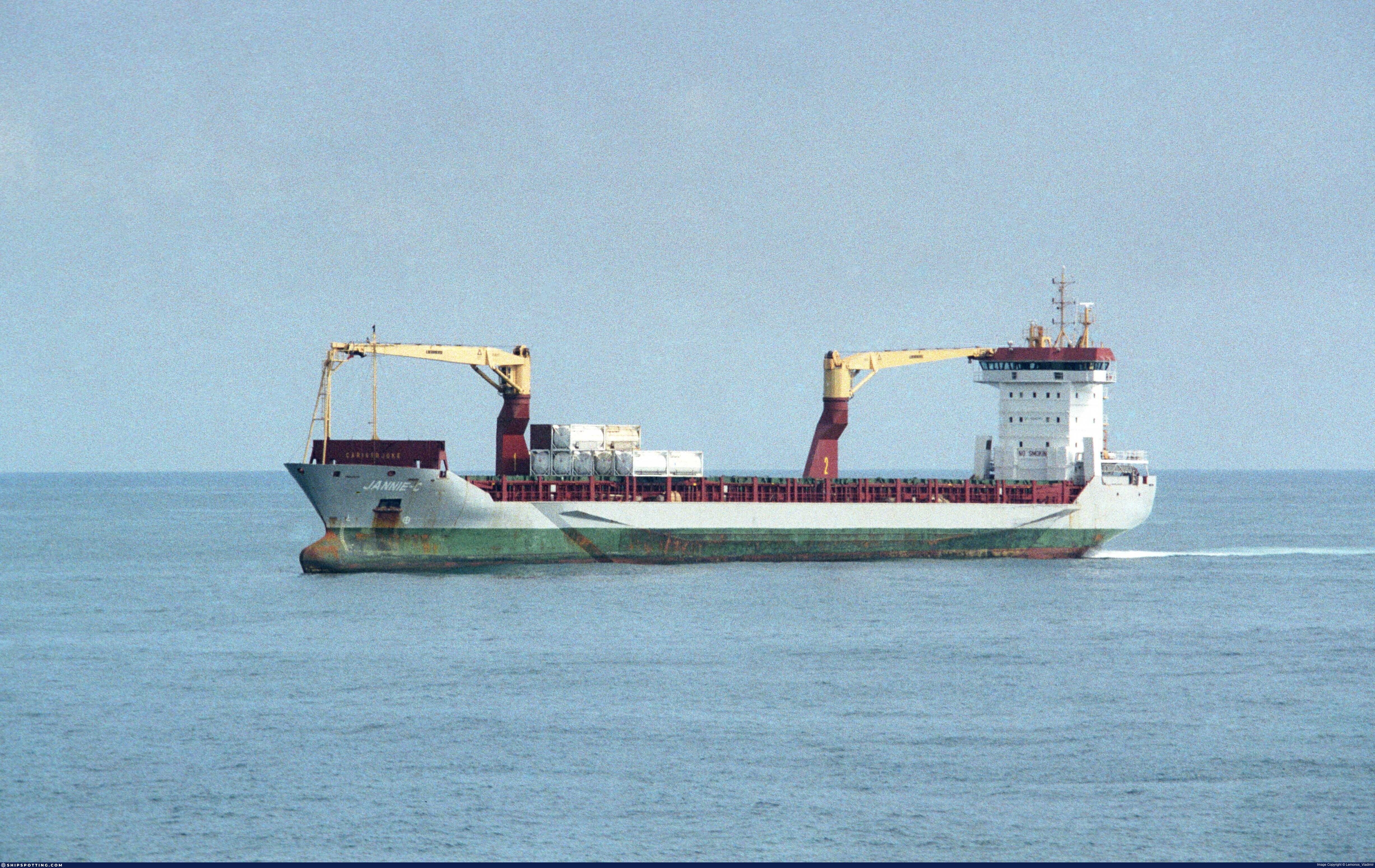
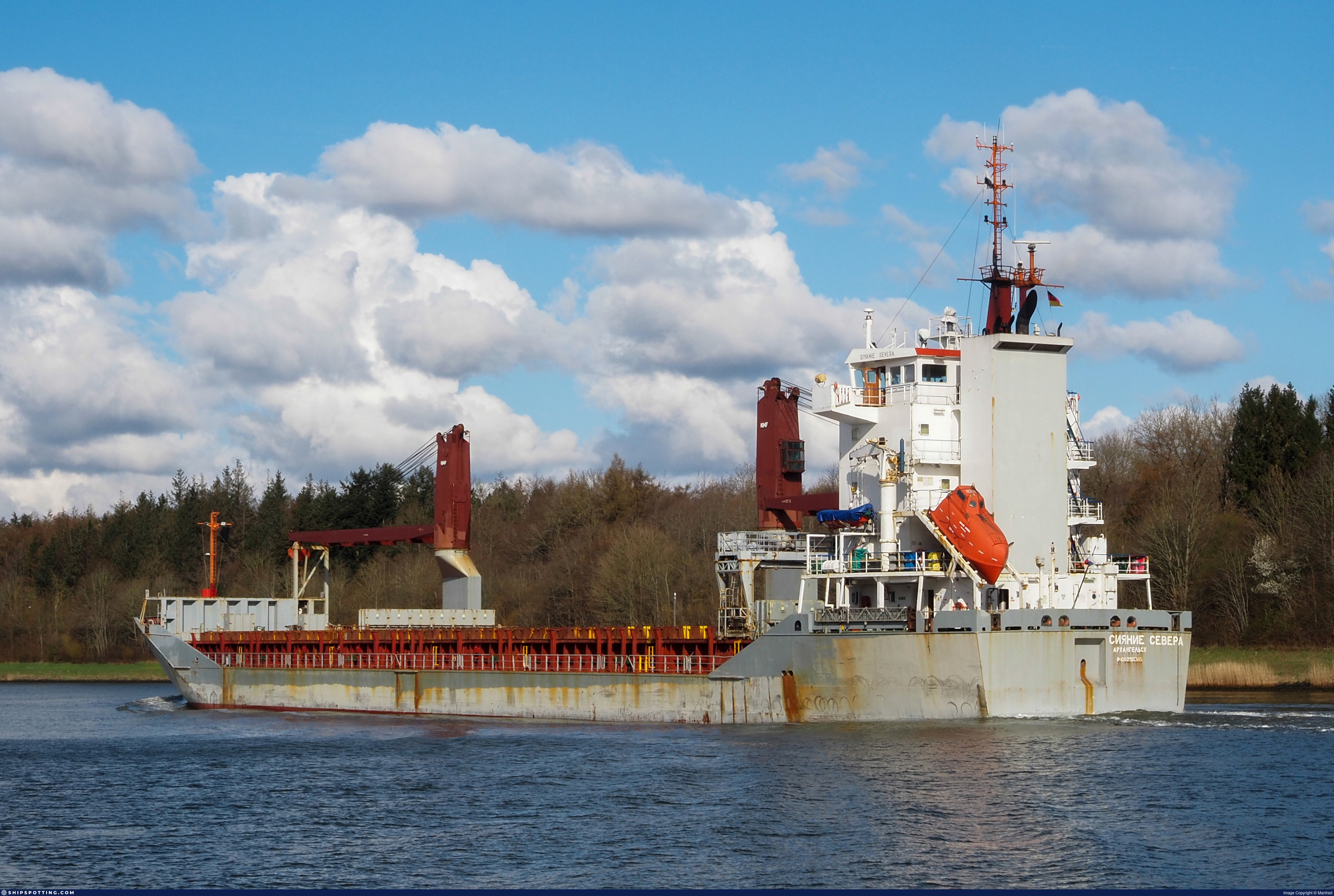
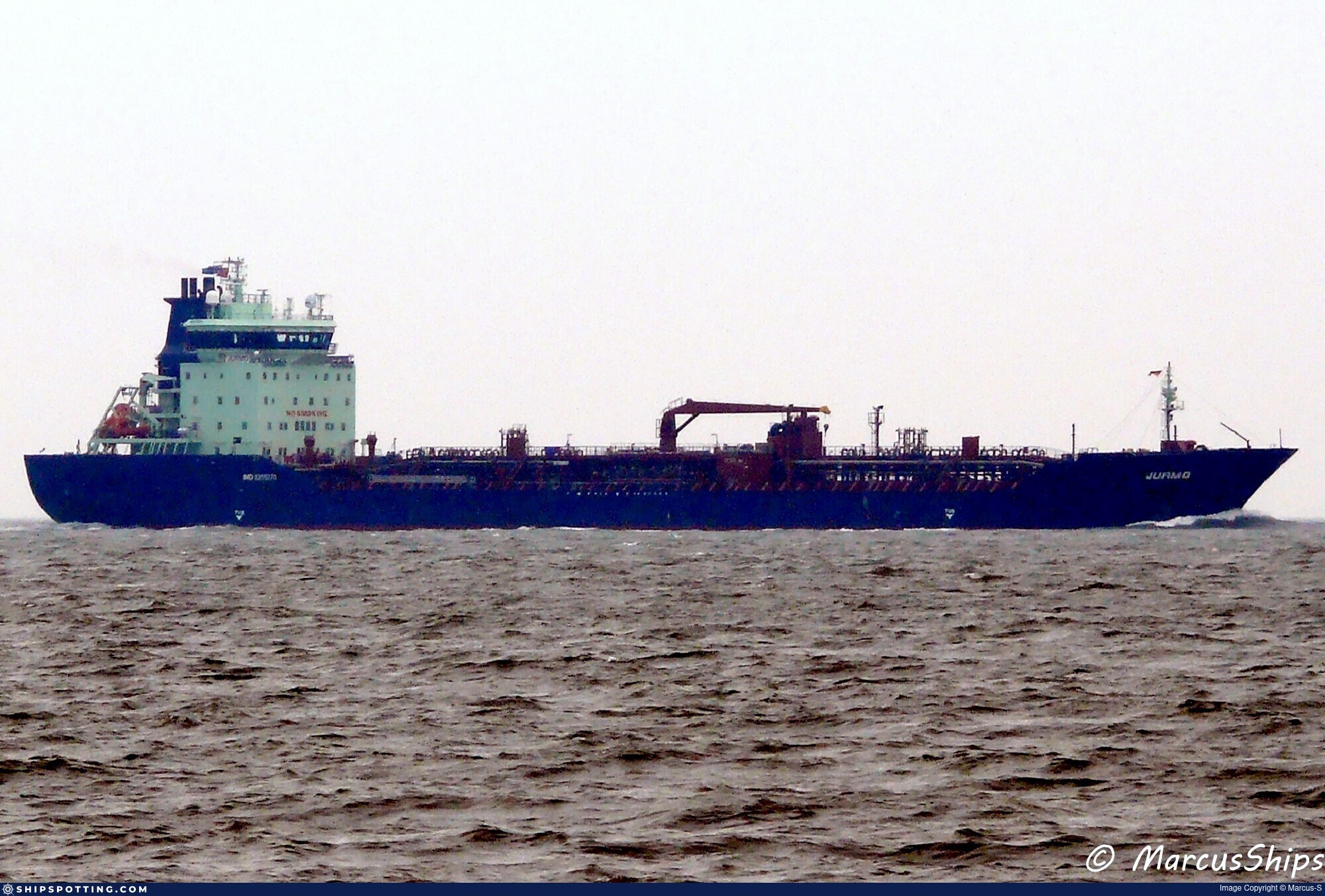
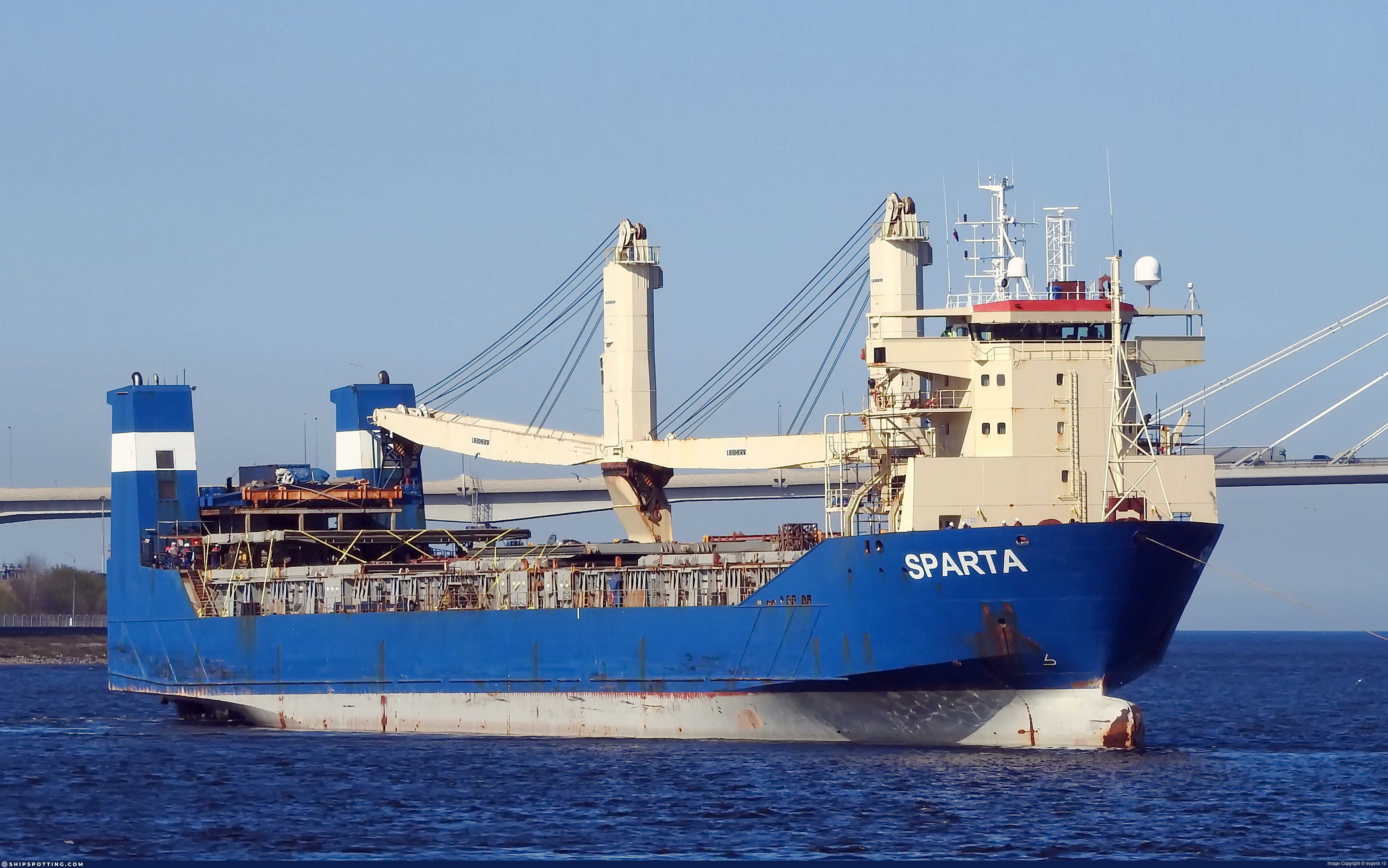
April 6, 2022
-
-
-
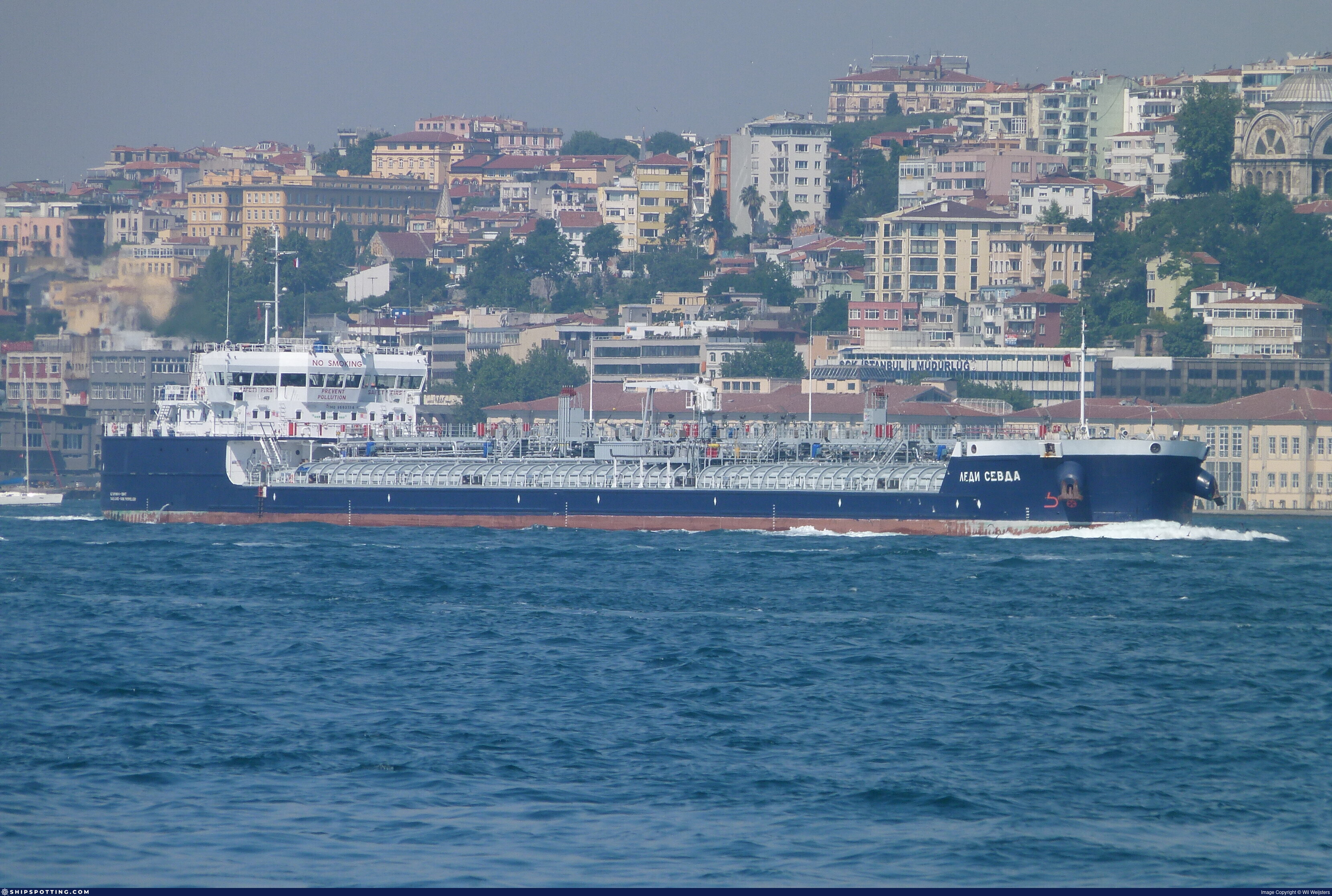
Lady Sevda — Oil Products Tanker | Navire-citerne pour produits pétroliers — EU Russia Sanctions – Shadow Fleet | SEMA (Canada) — vessel designations | RUSSIA-EO14024 | The Russia (Sanctions) (EU Exit) Regulations 2019 🇺🇸 US 🇪🇺 EU 🇬🇧 UK
-
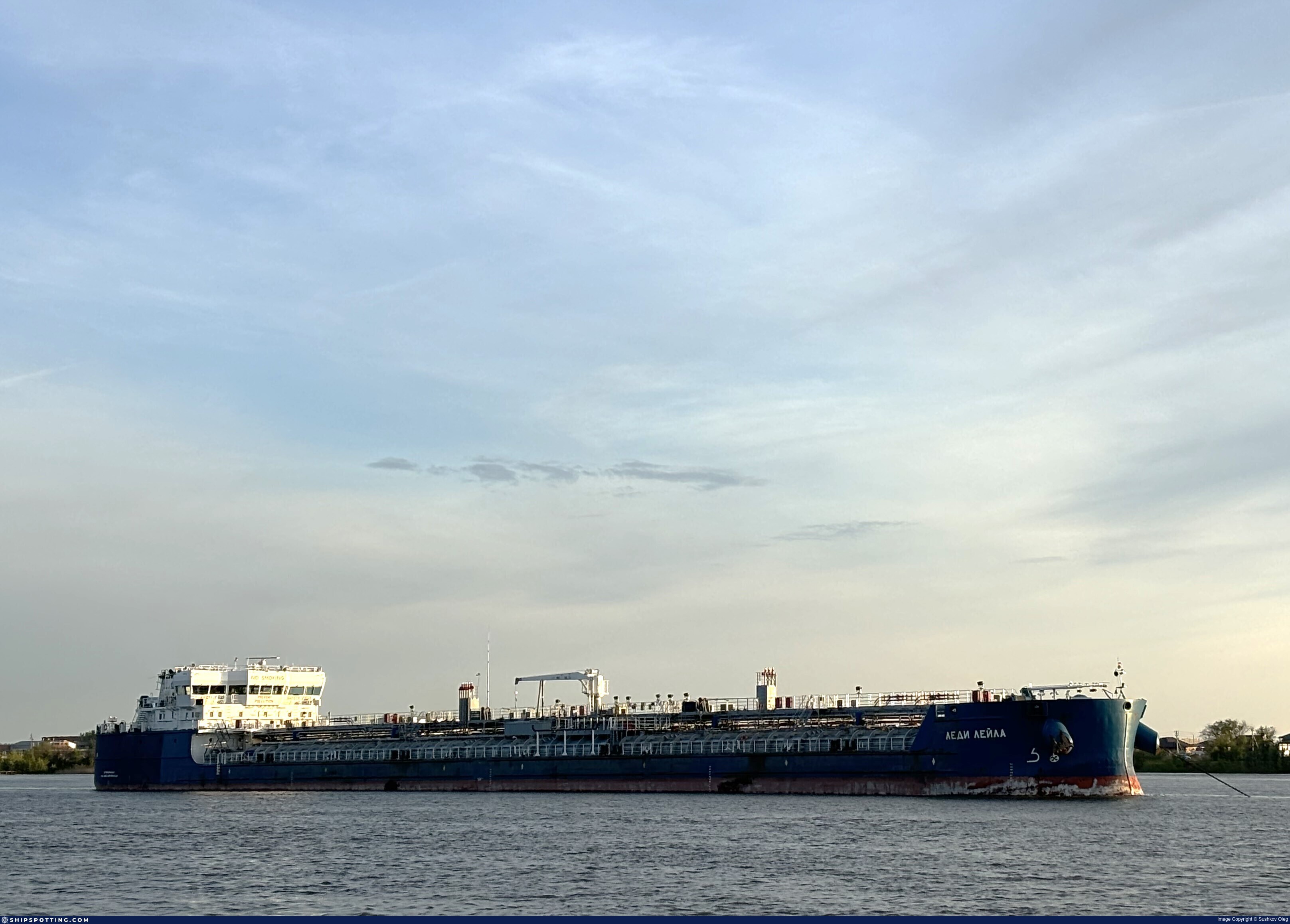
Lady Leila — Oil Products Tanker | Navire-citerne pour produits pétroliers — EU Russia Sanctions – Shadow Fleet | SEMA (Canada) — vessel designations | RUSSIA-EO14024 | The Russia (Sanctions) (EU Exit) Regulations 2019 🇺🇸 US 🇪🇺 EU 🇬🇧 UK
-
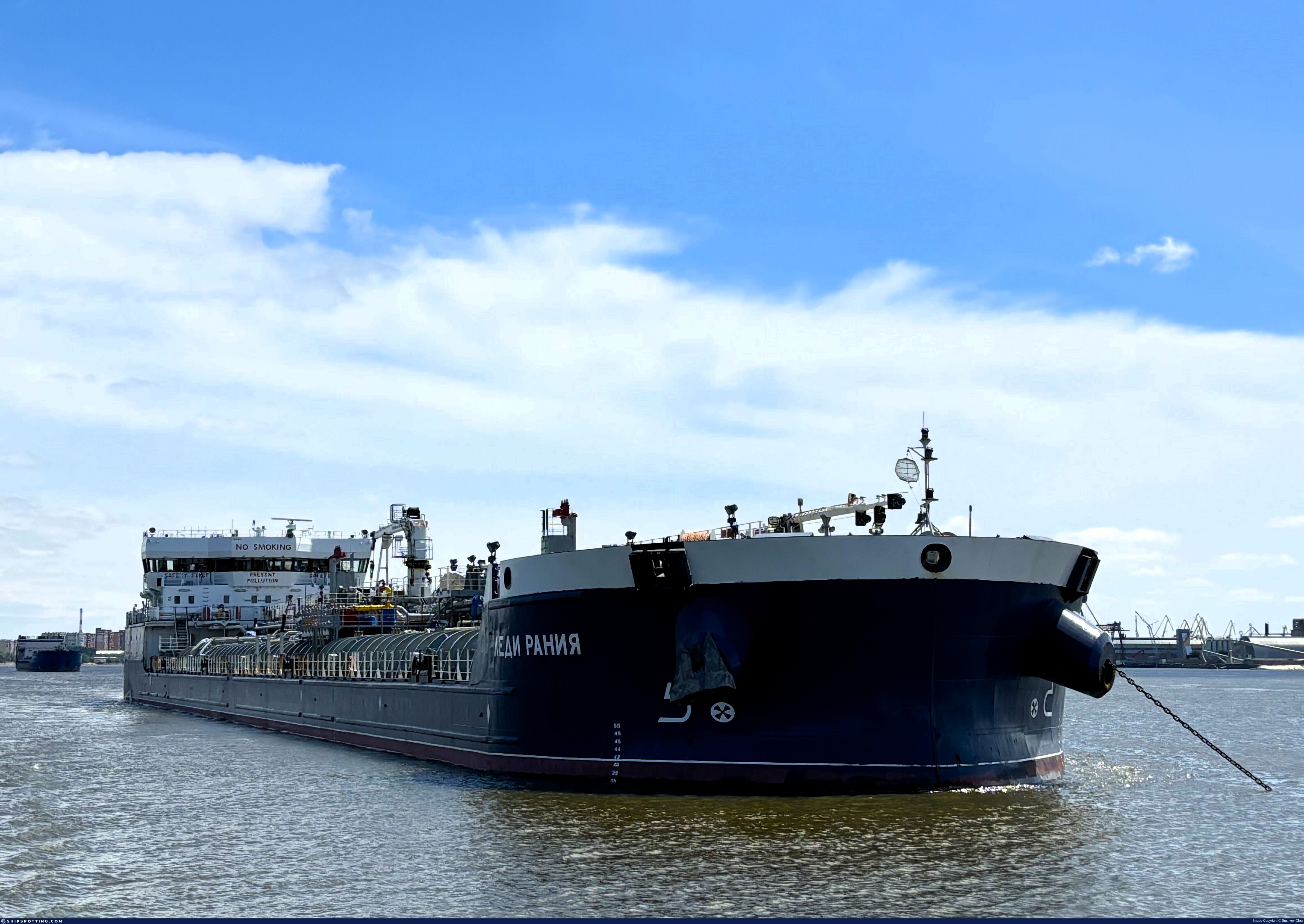
LADY RANIA — Chemical/Products Tanker | Transporteur de produits chimiques — EU Russia Sanctions – Shadow Fleet | SEMA (Canada) — vessel designations | RUSSIA-EO14024 | The Russia (Sanctions) (EU Exit) Regulations 2019 🇺🇸 US 🇪🇺 EU 🇬🇧 UK