
On 23 April 2026, the Council of the European Union adopted the EU 20th sanctions package against Russia. The following day, Annex XLII of Regulation 833/2014 added 46 vessel listings and removed 11, bringing the total number of EU-designated vessels to 632.
Council press materials described the additions as “46 shadow fleet tankers.” That summary covers three distinct sanctions patterns. Some of the vessels have been under U.S. designation for four to nine years. Fifteen held prior EU designation and are being re-added to Annex XLII under new entry numbers. Twenty-eight are receiving their first designation from any Western authority. The three groups behave differently in the behavioral data.
FleetLeaks analyzed all 46 listings against its sanctions metadata, Equasis-derived change history, and 90-day AIS risk-event records. The sections below set out the cohort structure, document the vessels contributing most of the measurable evasion behavior, and close with the policy mechanics visible in the 11 simultaneous delistings.
Method and data sources
The analysis used the following sources, all captured on 24 April 2026:
- Council Regulation (EU) 2026/506 and Council Decision (CFSP) 2026/508, which define the 20th package amendments to Annex XLII (EUR-Lex Official Journal entry).
- The Danish Maritime Authority’s EU vessel designation list, updated 24 April 2026 to reflect the new entries (DMA EU vessel designations page).
- FleetLeaks sanctions metadata, which tracks first-designation dates per authority in the
sanction_datesfield on each vessel record. - FleetLeaks change-history records derived from Equasis and third-party registries, covering name, flag, and registered-owner transitions.
- FleetLeaks AIS event detections produced by zone-dwell, loiter, AIS-gap, and ship-to-ship-transfer classifiers, windowed to the 90 days ending 24 April 2026.
Individual vessel pages on FleetLeaks hold the source records for each IMO referenced below.
Three vessel cohorts in the EU 20th sanctions package
Each designation in package 20 has two reference dates: the date any Western authority first sanctioned the vessel, and the date the EU applied its listing. Those two dates separate the 46 additions into three populations.
| Cohort | Count | Characteristics |
|---|---|---|
| U.S. catch-up | 3 | Already under U.S. designation for four to nine years. No prior EU listing on record. |
| Re-listings | 15 | Prior EU designation on record. Re-added to Annex XLII under new entry numbers. Overlap with the 11 simultaneous deletions is likely but requires entry-by-entry verification. |
| First-time designations | 28 | No prior U.S., U.K., Canadian, Australian, or New Zealand action. EU is the first Western authority to designate. |
The sections that follow examine each cohort and the evasion patterns visible within it.
Old U.S. cases newly added by the EU
Three vessels in the 46 additions have extensive prior U.S. sanctions records. The EU lag for these vessels is measurable in years.
| Vessel | Flag | First sanctioned | Authority | EU lag (days) |
|---|---|---|---|---|
| STALINGRAD | Russia | 2016-12-20 | United States | 3,412 |
| SIG | Russia | 2019-09-26 | United States | 2,402 |
| SPARTA | Russia | 2022-05-08 | United States | 1,447 |
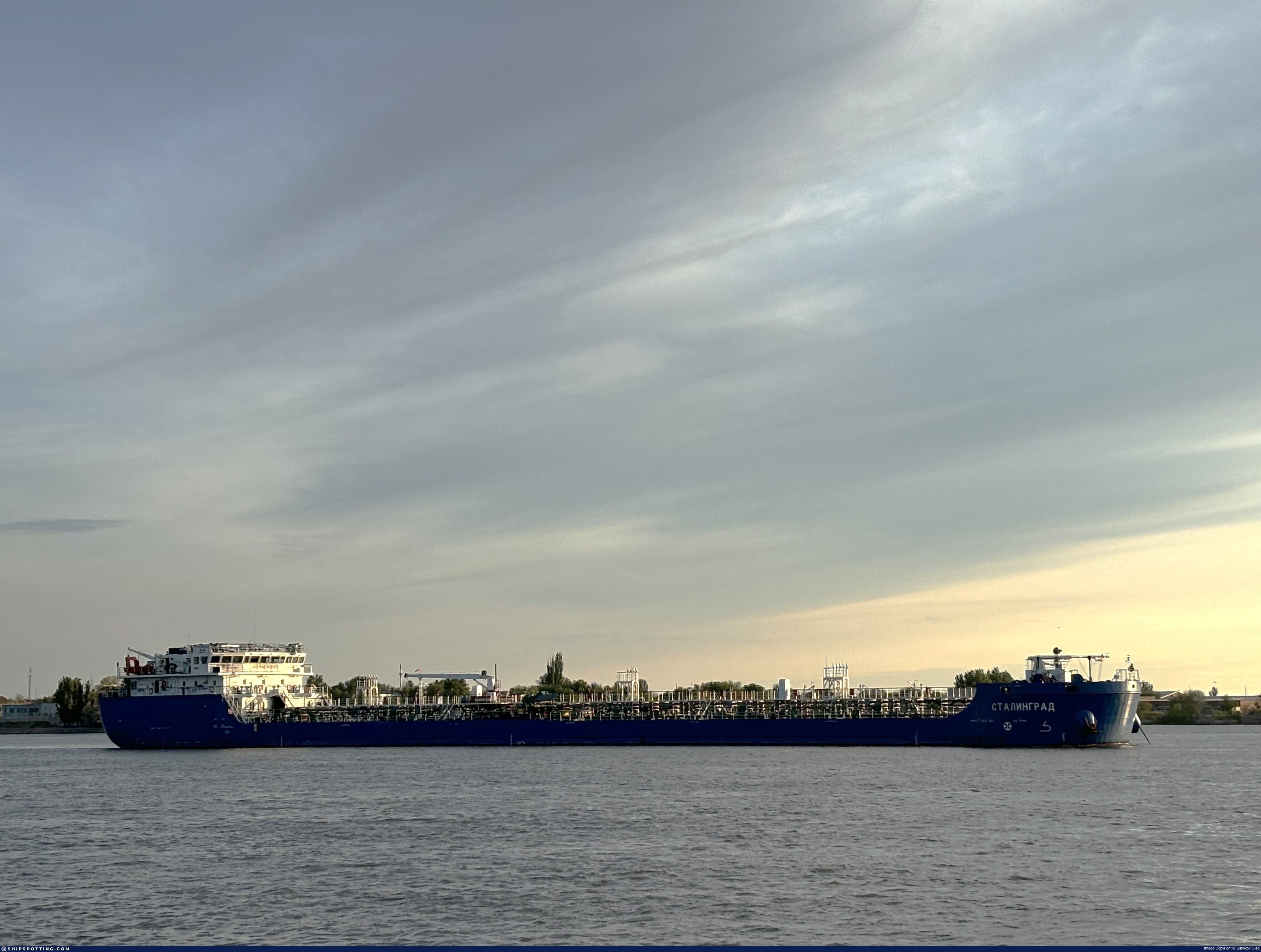
STALINGRAD is a Caspian product tanker operated by Trans-Flot LLC. Ukraine’s GUR War and Sanctions portal reports that she supplies fuel to occupied Crimea and operates Astrakhan-to-Iran product runs (GUR record). OFAC added her to the SDN list under the Crimea sanctions regime on 20 December 2016.
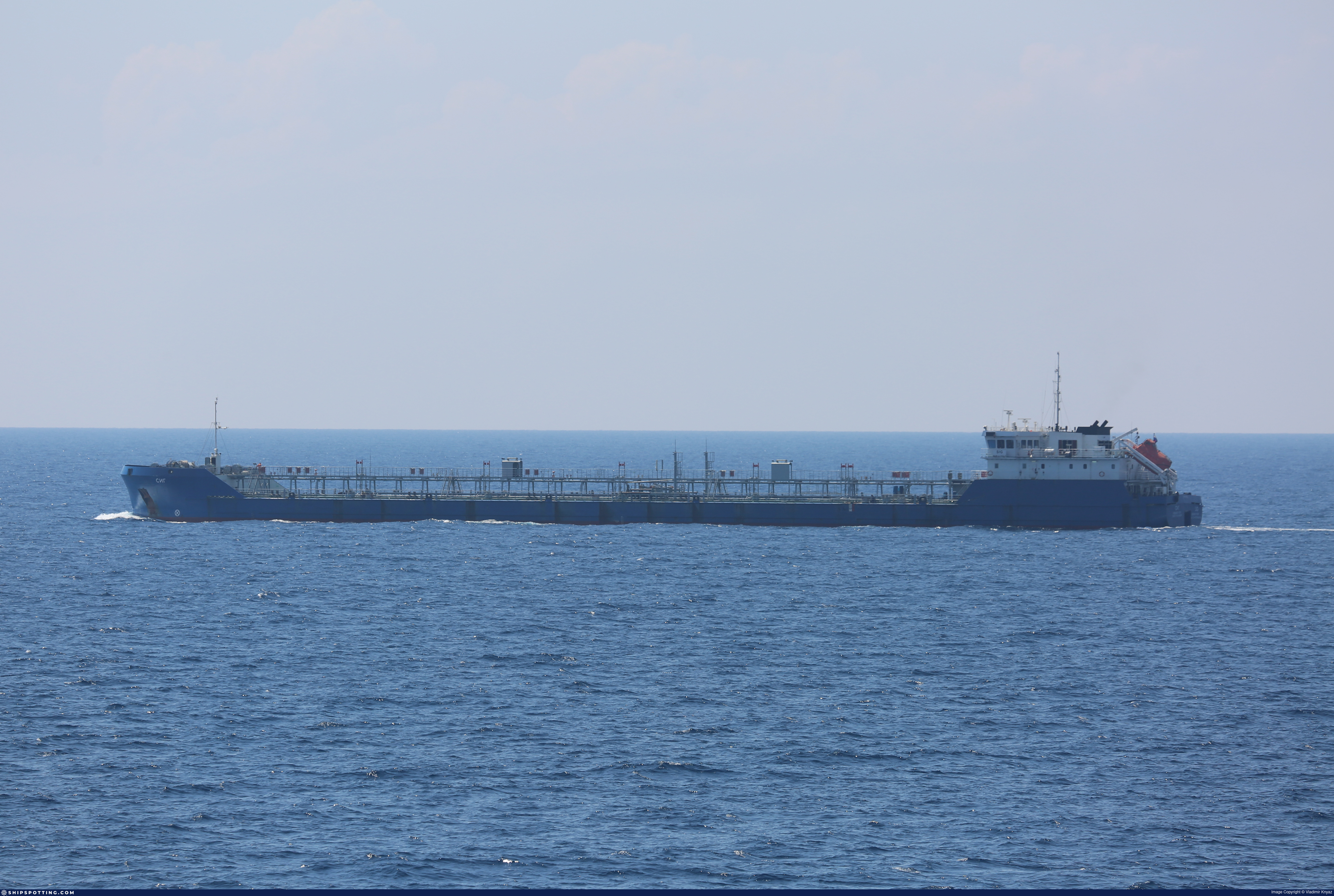
SIG is a product tanker designated by the U.S. Treasury under Executive Order 13382 in September 2019 for supplying fuel to Russian forces in Syria through the Sovfracht military-logistics network (GUR record). GUR reporting indicates that she has continued transiting the Bosphorus Strait after U.S. designation. Her EU listing followed six and a half years after the U.S. action.
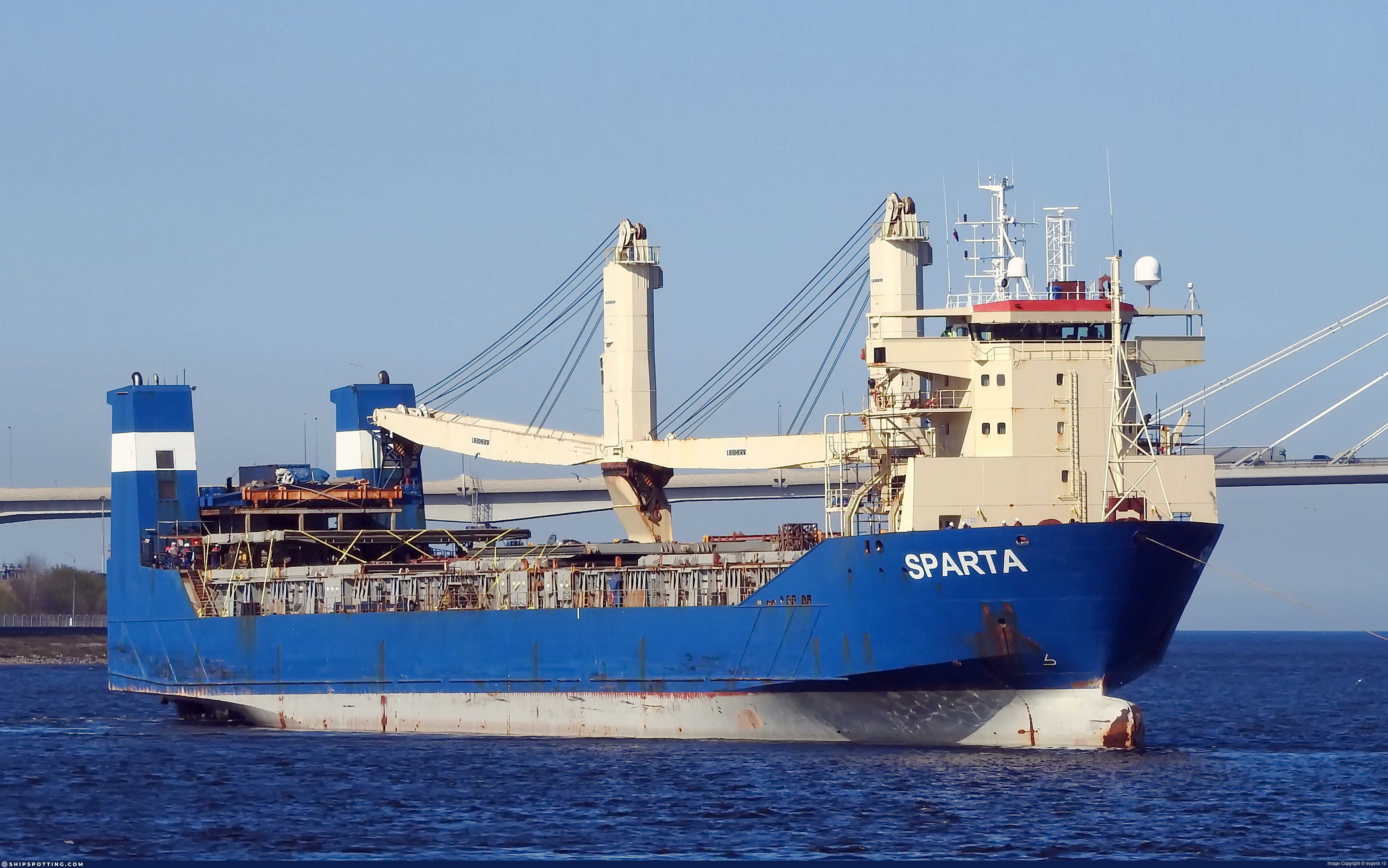
SPARTA is a roll-on/roll-off cargo ship owned by Oboronlogistika LLC, a subsidiary of the Russian Ministry of Defence. The U.S. State Department designated her in May 2022 as part of the first post-invasion Russia-defence tranche (State Department action). She is the only vessel in the 46 listed under grounds (a) combined with (g), reflecting her military-logistics role alongside operation by a person included in Annex I of Regulation 269/2014. In February 2025, the Royal Netherlands Navy escorted SPARTA through the North Sea as part of a six-vessel convoy transporting Russian equipment out of Syria (Dutch MoD release).
These cases document EU listing lags of four to nine years after initial U.S. designation. FleetLeaks vessel data does not identify the cause of the lag. Public reporting on EU sanctions decision-making suggests that the principal constraint on new listings is member-state consensus. Vessel identification and evidentiary requirements are typically resolved before the listing decision.
Arctic shuttle tankers enter the sanctions perimeter
Four of the 46 vessels are Arctic shuttle tankers commissioned by Russian state entities for operation on the Northern Sea Route. Their ownership, operator, and route histories show no evidence of the reflagging, renaming, or shell-ownership transitions documented in the identity-change cohort. These vessels were commissioned by Gazprom Neft, Rosneft, or Sovcomflot, built primarily at Zvezda shipyard in Russia’s Far East, and routed to move Russian Arctic crude through Russian-controlled waters to Asian markets.
- IVAN AIVAZOVSKY (IMO 9876359). Chemical and products tanker built in 2025, lead vessel in a three-hull LNG-fueled MR series for SCF Atlantic, a Sovcomflot subsidiary. Equasis records from earlier in 2025 list the vessel under the yard identifier “HD Hyundai Mipo 1033” before her current name was applied (GUR record). U.S. and U.K. designations preceded the EU listing in September 2025. Package 20 re-lists her under a new entry.
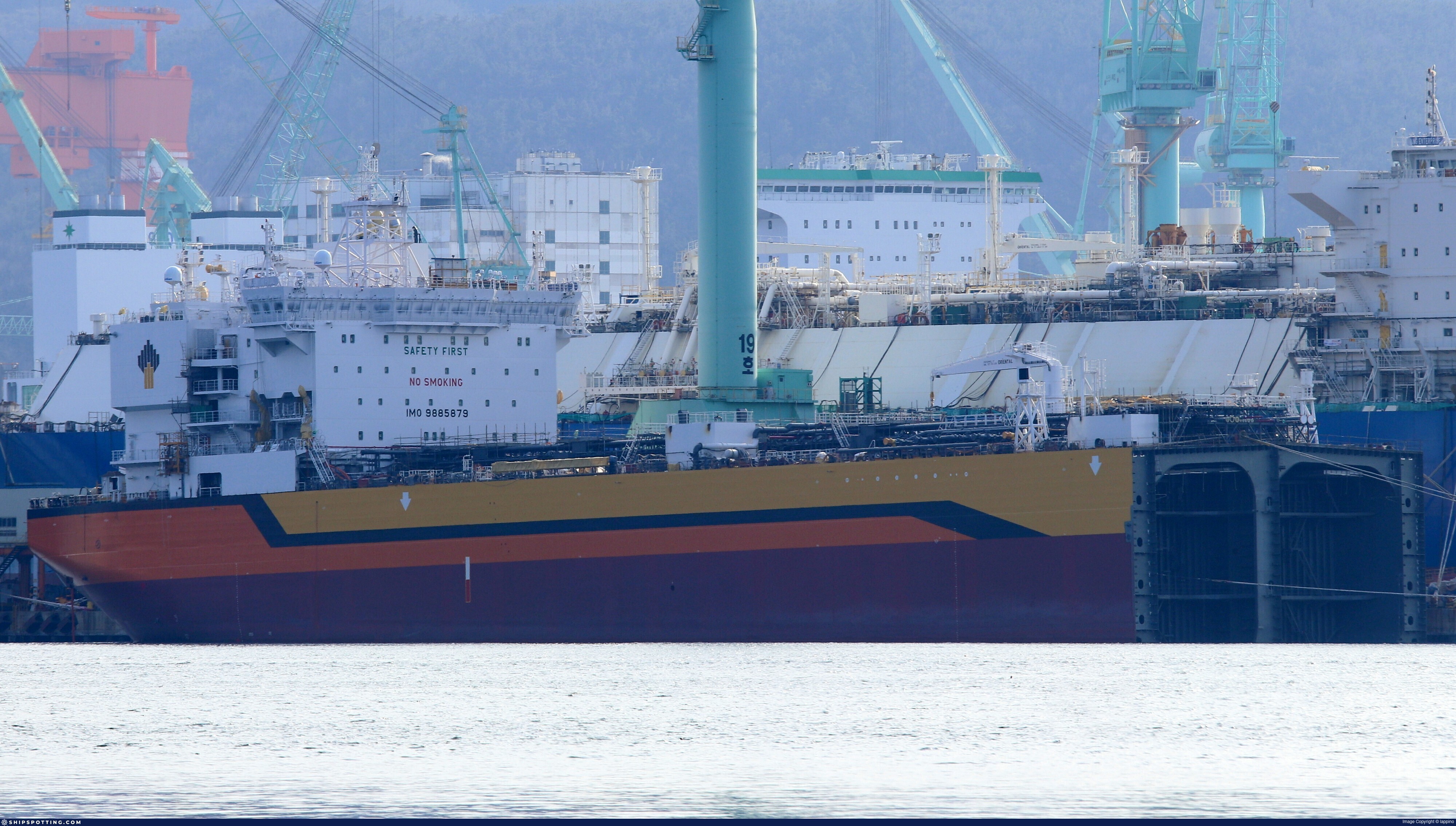
- VALENTIN PIKUL (IMO 9885879). High-ice-class shuttle tanker built at Zvezda, delivered to Rosnefteflot in January 2025. In June 2025 she completed ice trials at Rosneft’s Sever Bay terminal, the loading point for the Vostok Oil project (gCaptain coverage). U.S. Treasury designation followed in September 2025.
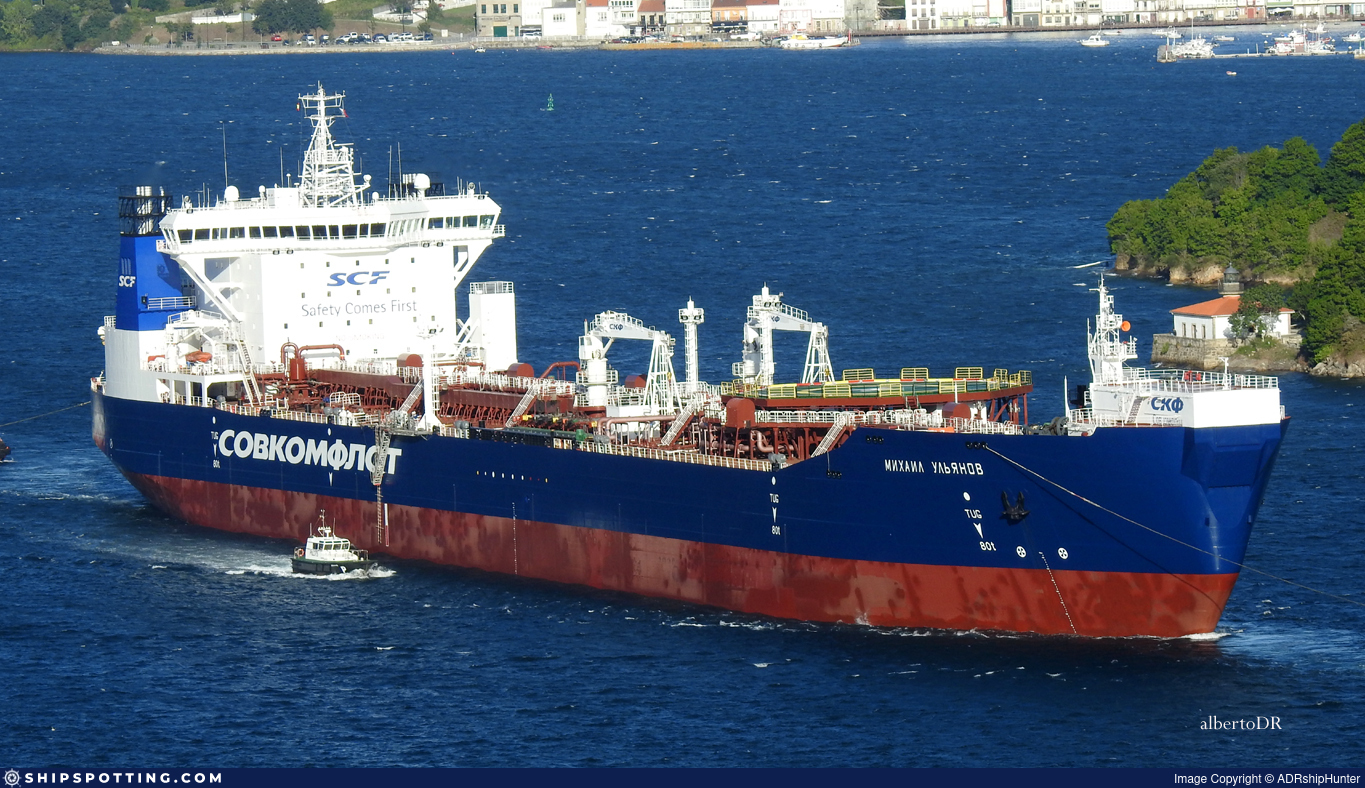
- MIKHAIL ULYANOV (IMO 9333670). Arctic shuttle built in 2010 for Gazprom Neft’s Prirazlomnoye offshore platform in the Pechora Sea. U.S. Treasury designated her in January 2025 (Treasury release). The EU added her in package 19 on 18 December 2025, and re-listed her in package 20 under a new Annex XLII entry. Her master was personally sanctioned by Ukraine in August 2025 (GUR record).
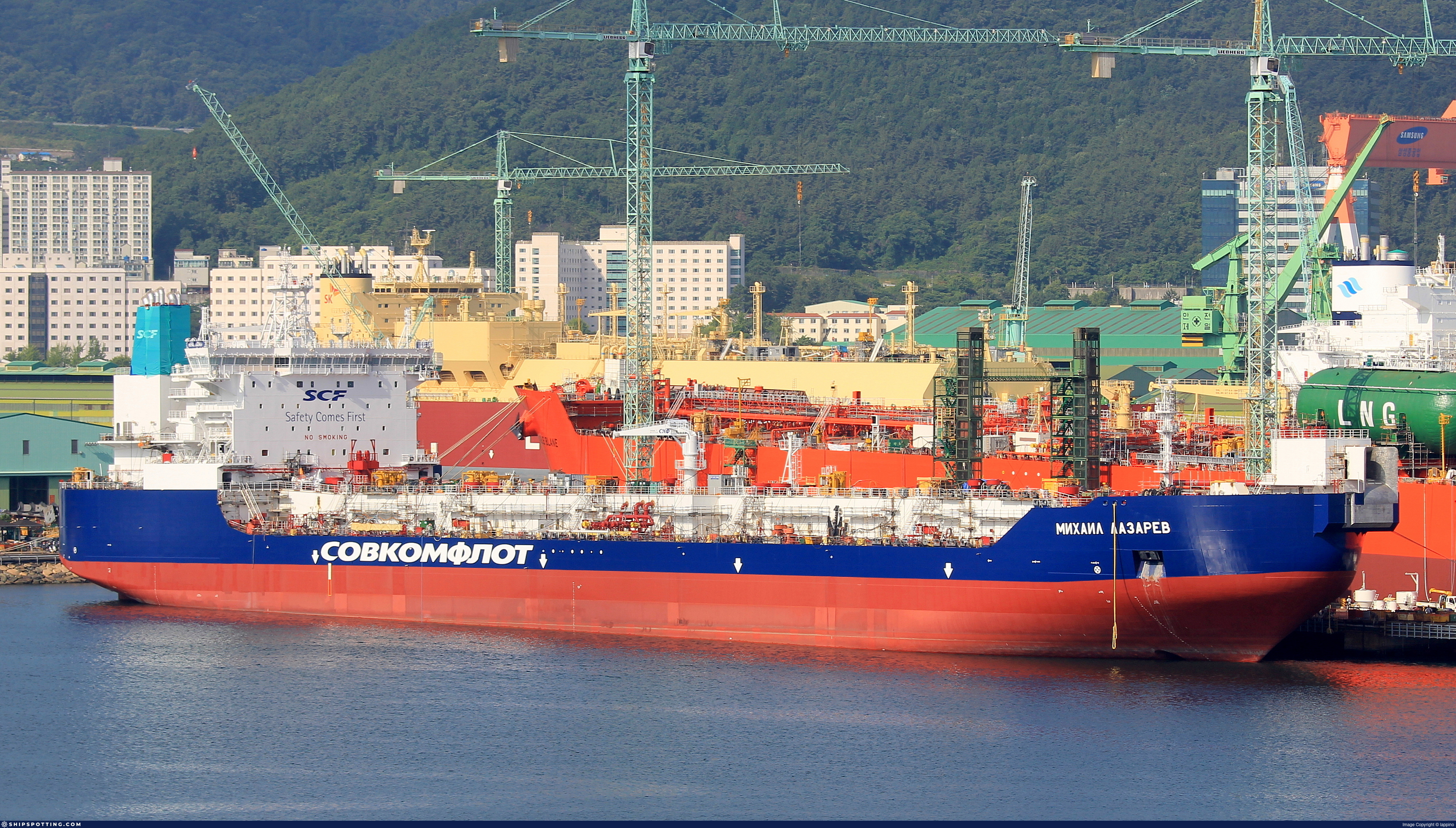
- MIKHAIL LAZAREV (IMO 9837547). Fourth vessel in the Shturman Albanov Arctic shuttle series, carrying oil year-round from Gazprom Neft’s Novy Port field via the Northern Sea Route (Hellenic Shipping News).
These vessels operate within Russian territorial waters and Russian commercial networks. EU designation restricts secondary services such as insurance, classification-society access, and flag-registry options. The operational routes themselves remain inside the sanctioned economy.
Package 19 included four Arctic shuttle tankers. Package 20 includes four more. The cumulative effect is that Annex XLII now covers a visible cluster of Russia’s state-commissioned Arctic oil-export tonnage.
Identity-change patterns in the listed vessels
Eleven vessels in the 46 show extensive name, flag, or owner transitions in FleetLeaks change-history records. Across those vessels, the database contains 38 flag changes, 27 name changes, and 25 owner changes. Five cases account for the majority of the transitions.
DORRY (IMO 9298595): three names, three flags, three owners across fourteen months
The vessel was built as Filicudi M under Italian flag, owned by AUGUSTA DUE SRL. In November 2024 she registered under Panama flag as Java with REEF MARINE GROUP CORP as owner. In July 2025 she became DORRY with GRIGOR MARITIME CO SA. In November 2025 she registered under Cameroon flag. The fourteen-month sequence covers three distinct ownership structures, three flags, and three names.
AUGA (IMO 9381732): flag sequence consistent with the 2024-2025 Guinea registry episode
The FleetLeaks record shows Liberia flag through August 2024, then brief registration under Guinea, reversion to Liberia, and Russian registration in February 2026 (two months before EU designation). Public reporting from Lloyd’s List and other maritime press has documented fraudulent-registration episodes in the Guinea registry during 2024 and 2025 (Lloyd’s List on related U.K. designations). The vessel record does not establish direct involvement of AUGA in the fraudulent episodes. In this case, the sequence suggests movement from flag experimentation to open Russian registration once the vessel was widely designated.
JUPITER I and VENUS III: parallel change histories across consecutive-IMO vessels
JUPITER I (IMO 9599341) and VENUS III (IMO 9599353) carry consecutive IMO numbers, placing them as adjacent hulls at the same yard. Their change histories run in parallel.
Jupiter I‘s registered-owner history records four owners: SVL MARITIME A LTD, OCEANEDGE ENGINEERING FZE, YUN HAI MARITIME LTD, and the placeholder “RPTD SOLD RUSSIA.” Equasis uses this placeholder when a vessel is reportedly sold to a Russian entity without a named replacement owner.
Venus III‘s owner chain mirrors this pattern: SVL MARITIME B LTD, AQUASYNC TECHNOLOGIES FZE, RUI LIN SHIPPING LTD. Their name transitions also run in parallel: RN Tuapse became Venus I, which became Venus III. Jupiter I was previously named Svl Pride.
The mirrored owner and naming records are consistent with paired identity management across sister vessels.
OCEAN II (IMO 9233777): five sequential flag registrations
The FleetLeaks record shows five sequential flag registrations: Marshall Islands, Cyprus, Liberia, Antigua and Barbuda, and Cameroon. The vessel’s names map similarly across the same period: Bacaliaros, Amethyst MTS, OCEAN II. Her most recent transition, to Cameroon in November 2025, aligns with a broader movement of shadow-fleet tonnage into that registry during the same period.
SAKHALIN (IMO 9249128): flag change aligned with OFAC alias designation
In April 2024, the vessel changed from Panama-flagged “Sakhalin Island” to Russian-flagged SAKHALIN. OFAC tracks both identities as one entity via a published alias (OFAC action). The 90-day FleetLeaks AIS record shows 13 AIS gap events for this vessel, the highest count among the 46. High AIS-gap counts are one indicator associated with transponder manipulation, although individual events can also reflect signal-reception issues.
Identity-change activity is concentrated in these five vessels. The Arctic shuttle tankers described in the previous section show no comparable transition activity in the FleetLeaks records. Sustained identity-change activity is one of several behavioral patterns that FleetLeaks tracks as a sanctions-evasion signal.
AIS risk events in the 90-day window
The FleetLeaks AIS event pipeline classifies vessel behavior into four event types: zone dwells (extended presence in monitored zones), loitering (slow movement consistent with waiting or transfer positioning), AIS gaps (signal interruptions), and ship-to-ship transfers. In the 90 days ending 24 April 2026, the 46 vessels collectively produced 2,946 events: 2,443 zone dwells, 405 loiter events, 94 AIS gaps, and 4 STS detections.
Event frequency is concentrated in a small number of vessels. The table below lists the highest event counts among the 46.
| IMO | Name | Flag | Zone dwells | Loiter | AIS gaps |
|---|---|---|---|---|---|
| 9291262 | SILVAR | Cameroon | 273 | 108 | 10 |
| 9290397 | KRITI VIGOR | Palau | 226 | 31 | 6 |
| 9305556 | MARVEN | Palau | 205 | 15 | 7 |
| 9296377 | MARJORIE | Vanuatu | 198 | 8 | 8 |
| 9413004 | HORAE | Panama | 189 | 0 | 7 |
| 9249128 | SAKHALIN | Russia | 177 | 6 | 13 |
| 9876359 | IVAN AIVAZOVSKY | Russia | 173 | 0 | 0 |
| 9328170 | AETHER | Madagascar | 143 | 32 | 0 |
SILVAR (IMO 9291262), under Cameroon flag, produced the highest zone-dwell and loiter counts among the 46 vessels in the 90-day window. She received her first Western designation in package 20.
AETHER (IMO 9328170) was covered by the Washington Institute in January 2026, which documented delivery of Russian crude to Syria via the Russia-Iran-Syria corridor (Washington Institute analysis). Her most recent loiter event in the FleetLeaks data was on 21 April 2026, three days before EU designation.
The four STS detections involve a single pair: KAMELOT (IMO 9265873), one of the 46 listed vessels, conducted four ship-to-ship transfer events on 15 April 2026 with IMO 9292589. The counterpart vessel is not currently subject to U.S., U.K., EU, Canadian, Australian, or New Zealand designation. Her change-history record shows at least four names in the five years preceding the event (Ocean Neptune, Super Emerald, Beks Arda, TEAM) and she carried a Cameroon MMSI at the time of the transfers. A follow-up will examine the counterpart vessel’s activity in detail.
Why the 11 delistings matter
Council Regulation (EU) 2026/506 deleted eleven entries from Annex XLII: entries 51, 72, 315, 437, 445, 448, 449, 504, 516, 532, and 553.
The mapping of deleted entries to re-added vessels requires per-entry verification. Prior EU sanctions packages have shown a pattern in which older entries are removed and the same vessels are re-added under new entry numbers, often with expanded grounds paragraphs. Fifteen of the 46 package 20 additions held prior EU designation, which suggests overlap between the 11 deletions and those 15 re-listings. The FleetLeaks dataset does not yet include the entry-number mapping needed to confirm which specific vessels bridge the two lists.
The analyst-facing implication: readers of package totals should recognize that gross additions minus gross deletions do not equal net new designations. Accurate net counts require entry-by-entry reconciliation, which FleetLeaks will publish as a follow-up with the deletion-to-re-listing mapping once it is compiled.
Vessel stories with public-source links
Sixteen vessels in the 46 have specific public-record histories that predate their EU designation. Short summaries and primary-source references follow.
SPARTA, IMO 9268710
Roll-on/roll-off cargo ship owned by Oboronlogistika LLC, the Russian Ministry of Defence’s logistics subsidiary. In February 2025 she was part of a six-vessel convoy transporting military equipment out of Syria after the fall of Assad. The convoy transited the English Channel and was escorted through the North Sea by the Royal Netherlands Navy. U.S.-sanctioned since May 2022. She is the only vessel in the 46 listed under grounds (a) “defence and security transport” combined with (g) “Annex I-linked persons.”
ELBUS, IMO 9290385
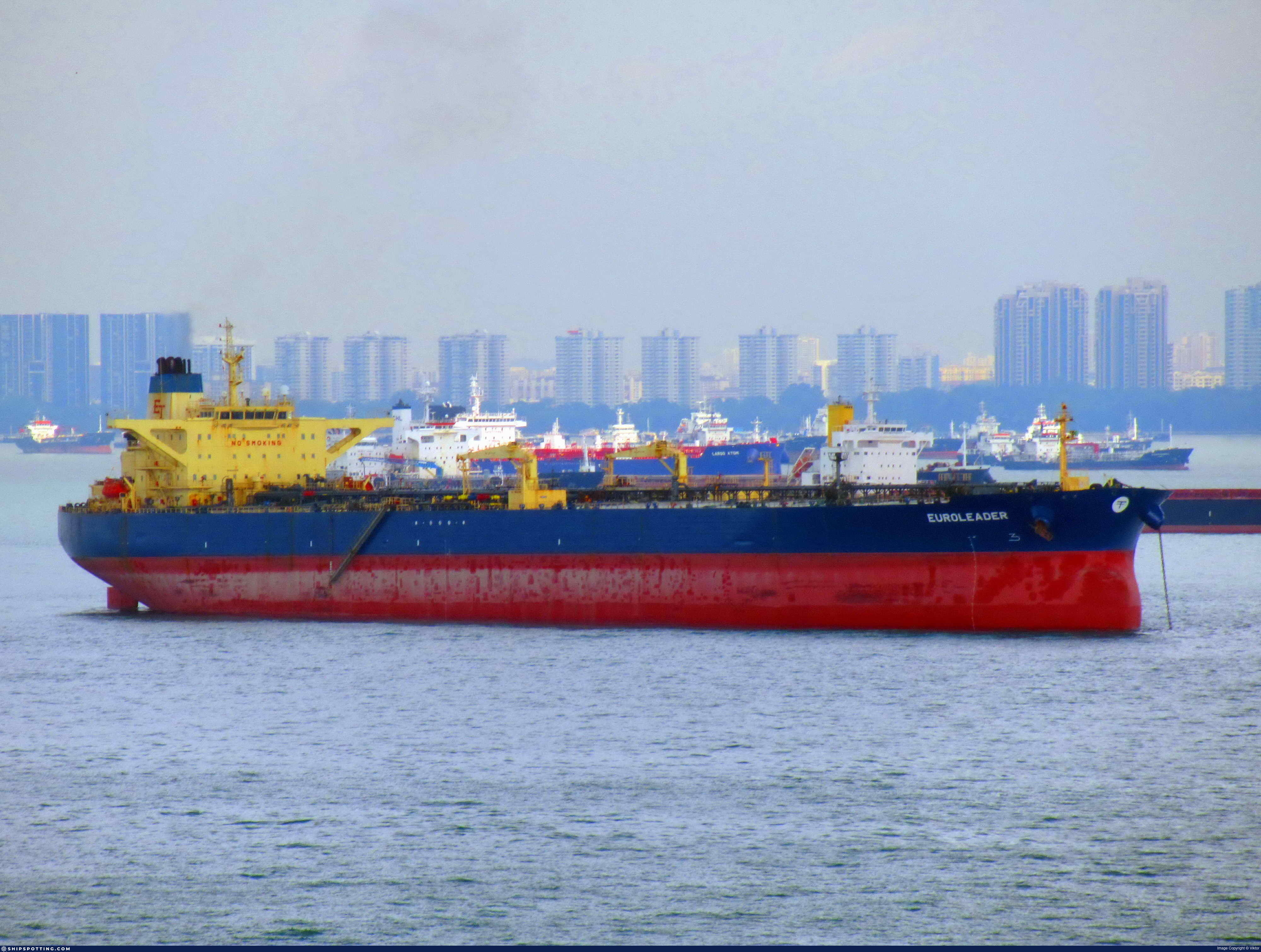
Hit by a Ukrainian drone strike in the Black Sea in 2025. Extensive identity-change history: the vessel was renamed from Euroleader in 2024, with a prior chain of SCF Aldan, Bated Leadership, UniteHA4, Unite, Unitehcapo, and United Leadership.
IVAN AIVAZOVSKY, IMO 9876359
2025 Zvezda build, lead vessel of a three-ship series of MR-type product tankers running on LNG as main fuel. Ordered by SCF Atlantic, a Sovcomflot subsidiary. U.S. and U.K. sanctions preceded the EU listing. Listed under grounds (g), reflecting linkage to sanctioned persons.
VALENTIN PIKUL, IMO 9885879
First high-ice-class tanker built at Zvezda shipyard, which emerged from a Russia-Samsung Heavy Industries partnership. Delivered to Rosnefteflot in January 2025. In June 2025 she completed ice trials at Rosneft’s Sever Bay terminal, the loading point for the Vostok Oil project. U.S.-sanctioned in September 2025.
MIKHAIL ULYANOV, IMO 9333670
Arctic shuttle built in 2010 for Gazprom Neft’s Prirazlomnoye offshore platform in the Pechora Sea. Prior Greenpeace-documented protest incident in Rotterdam. U.S. Treasury designation in January 2025. EU listing in package 19 on 18 December 2025. Re-listed in package 20 under a new Annex XLII entry. The vessel’s master was personally sanctioned by Ukraine in August 2025.
MIKHAIL LAZAREV, IMO 9837547
Fourth vessel in the Shturman Albanov Arctic shuttle series, carrying oil year-round from Gazprom Neft’s Novy Port field via the Northern Sea Route. Named after the Russian admiral credited with discovering Antarctica.
SIG, IMO 9735335
U.S.-sanctioned since September 2019. Transpethrochart LLC fleet. Supplies fuel to Russian forces in Syria via the Sovfracht military-transport network. GUR reports the vessel has continued navigating the Bosphorus Strait after U.S. designation.
STALINGRAD, IMO 9690212
U.S.-sanctioned since December 2016, the oldest sanctions case in the 46. Trans-Flot LLC Caspian tanker. Supplies fuel to occupied Crimea via Sovfracht. Active on Astrakhan and Feridoon Kenar (Iran) runs.
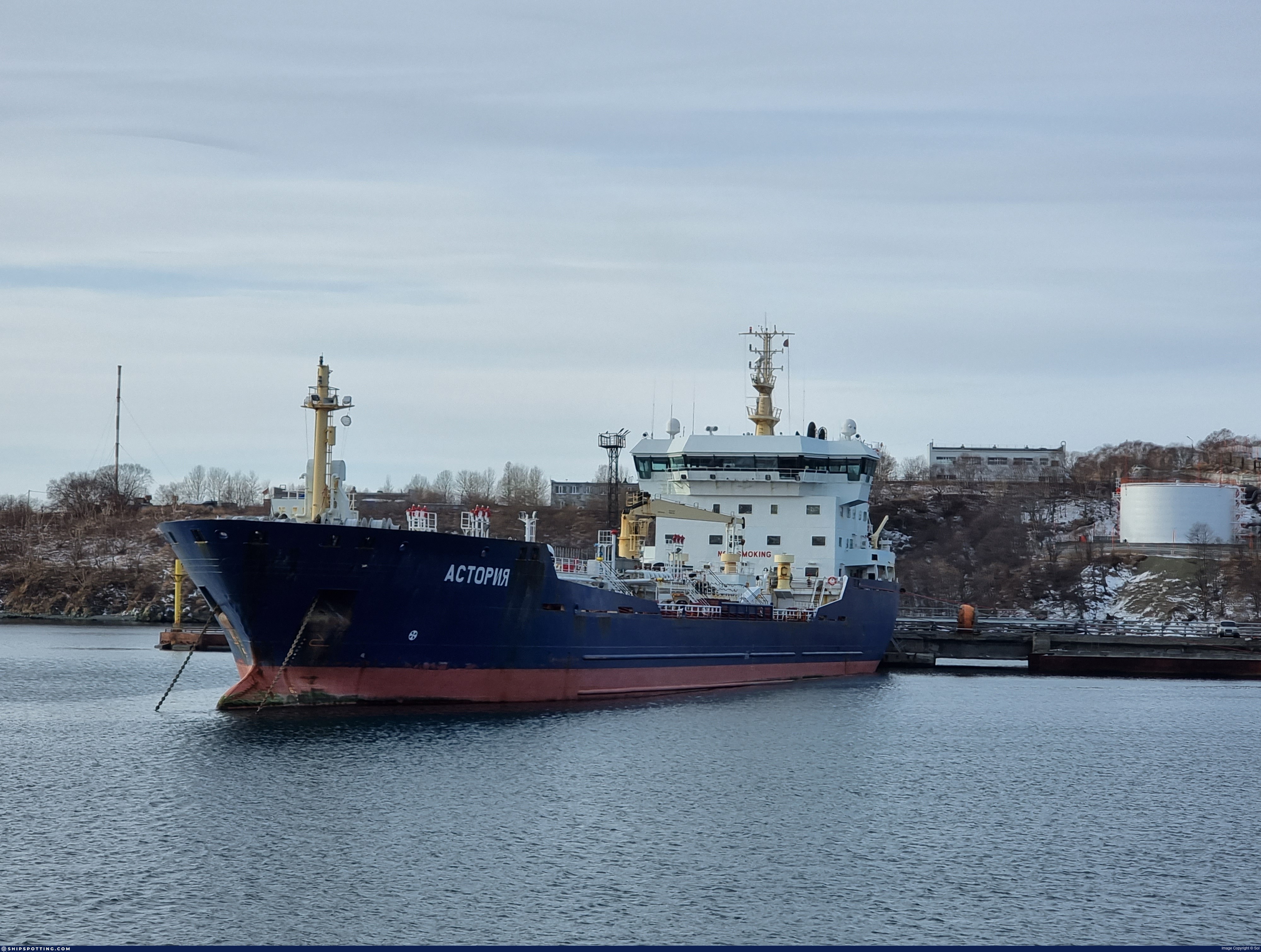
ASTORIA, IMO 9166314
Trinity Shipping LLC, part of the Sovfracht and Transpetrochart network that also includes SIG. Linked by GUR reporting to jet-fuel and oil-product supplies from the Feodosia oil depot to Tartus for the Russian “Syrian squadron.” U.K.-sanctioned in June 2025.
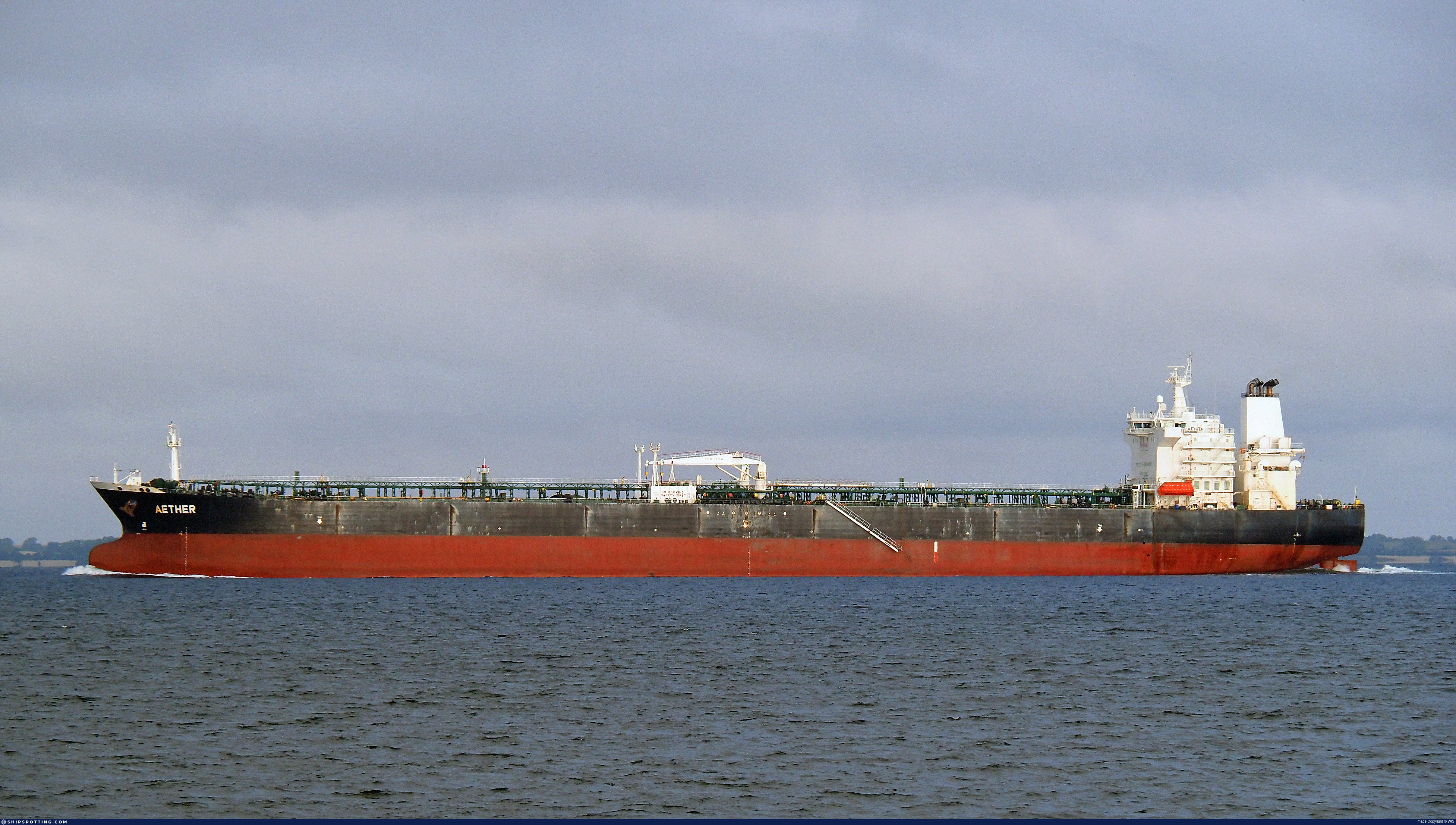
AETHER, IMO 9328170
The only vessel in the 46 with a dedicated Washington Institute policy brief. The brief documented her connection to an Iranian shipping network and delivery of Russian crude to Syria, framing her activity as a concrete case of the Russia-Iran-Syria corridor addressed by the 20th package.
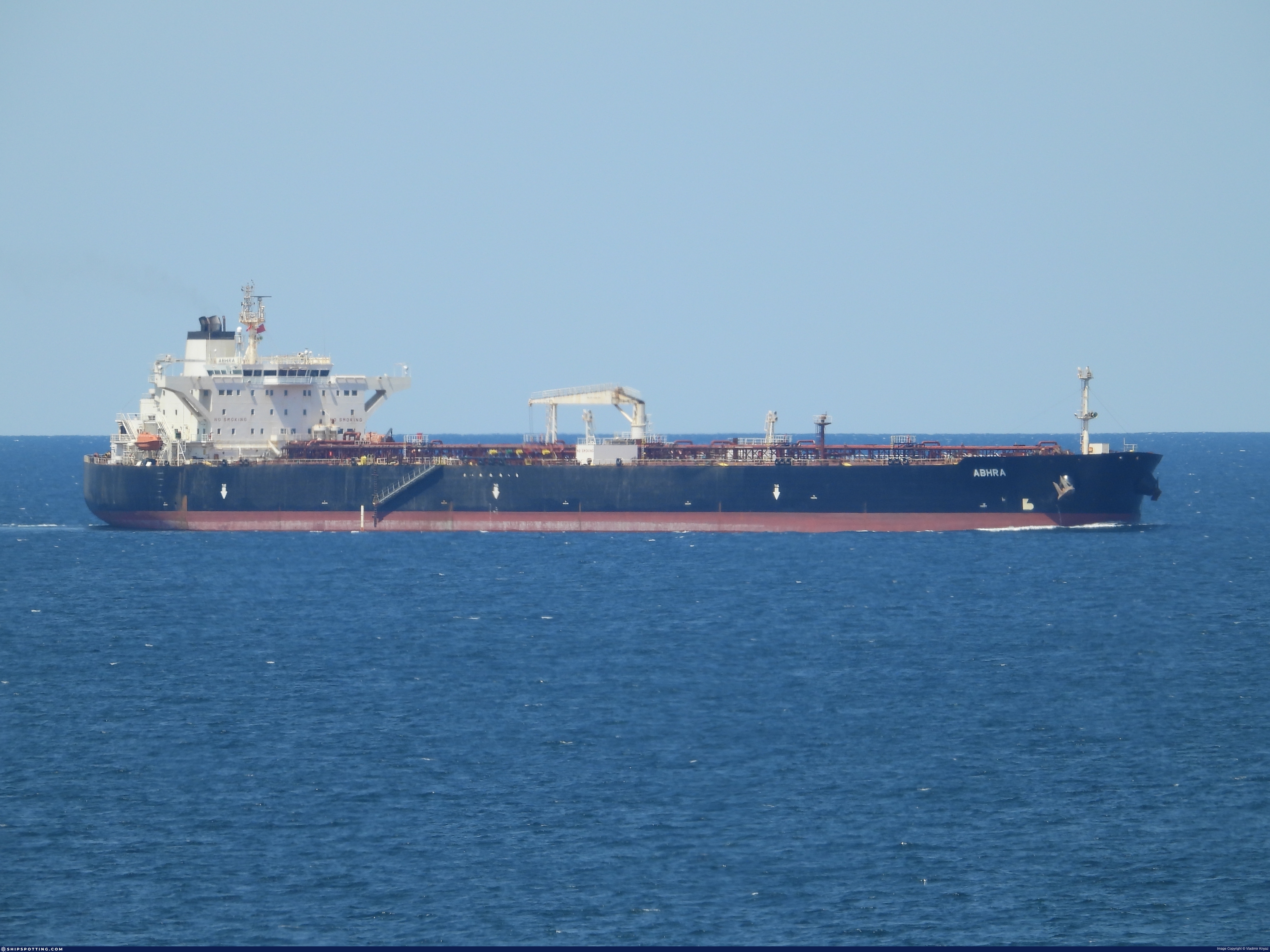
ABHRA, IMO 9282041
Designated by U.S. Treasury in July 2025 under the Shamkhani-network action, which targeted an Iranian oil and tanker network operated by a relative of Iran’s Supreme National Security Council chief, with operations out of Dubai, London, and Geneva. Panama flag. Marshall Islands-based Neo Shipping Inc. EU listing cites grounds (b) and (c): oil transport and energy-sector support.
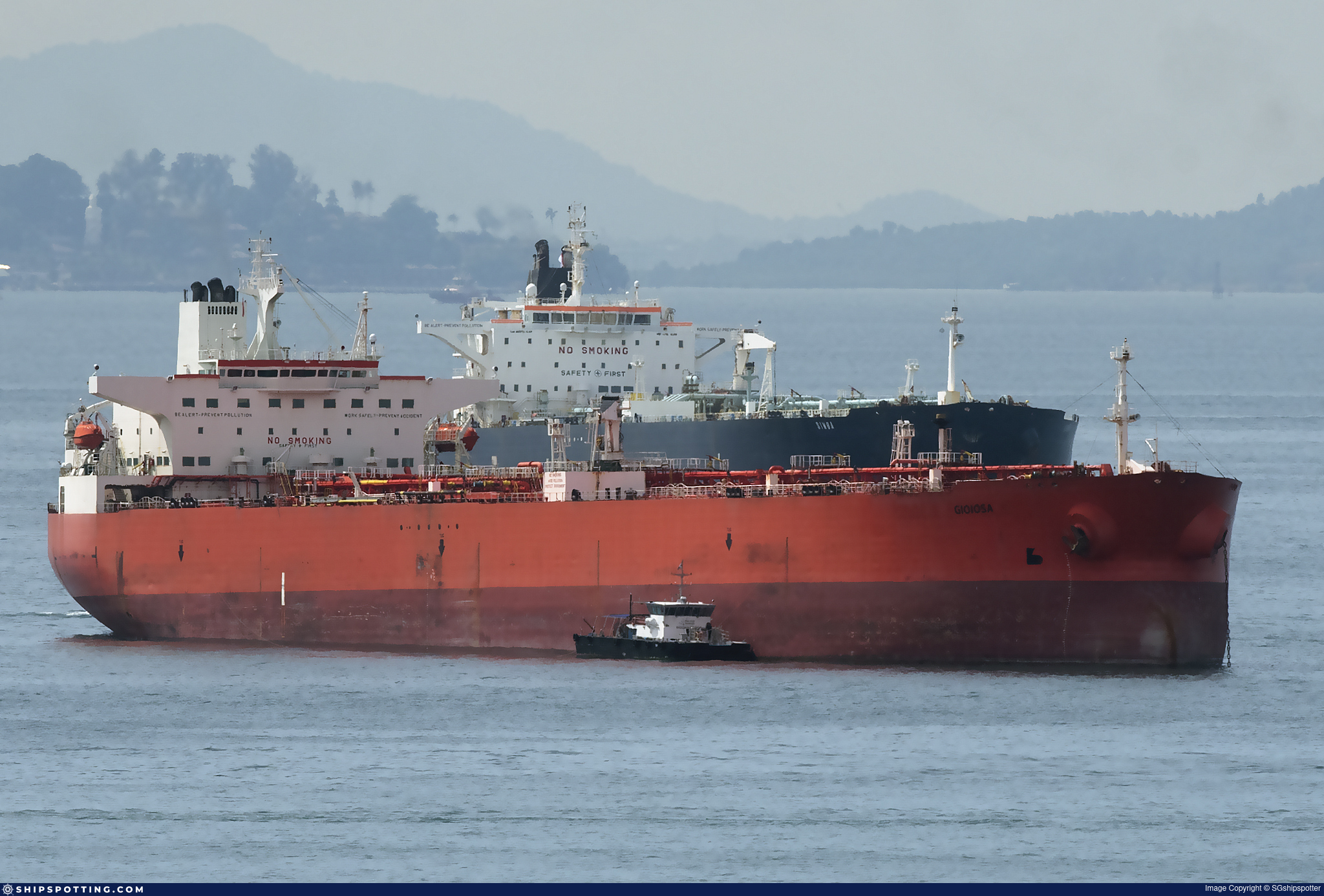
GLOBAL STAR, IMO 9198082
Tonga flag, 104,000 DWT crude tanker. GUR reports the vessel transporting Iranian crude to China while also calling at Russian Baltic ports (Ust-Luga, Primorsk) with AIS shutdowns. U.S.-sanctioned on 6 February 2025.
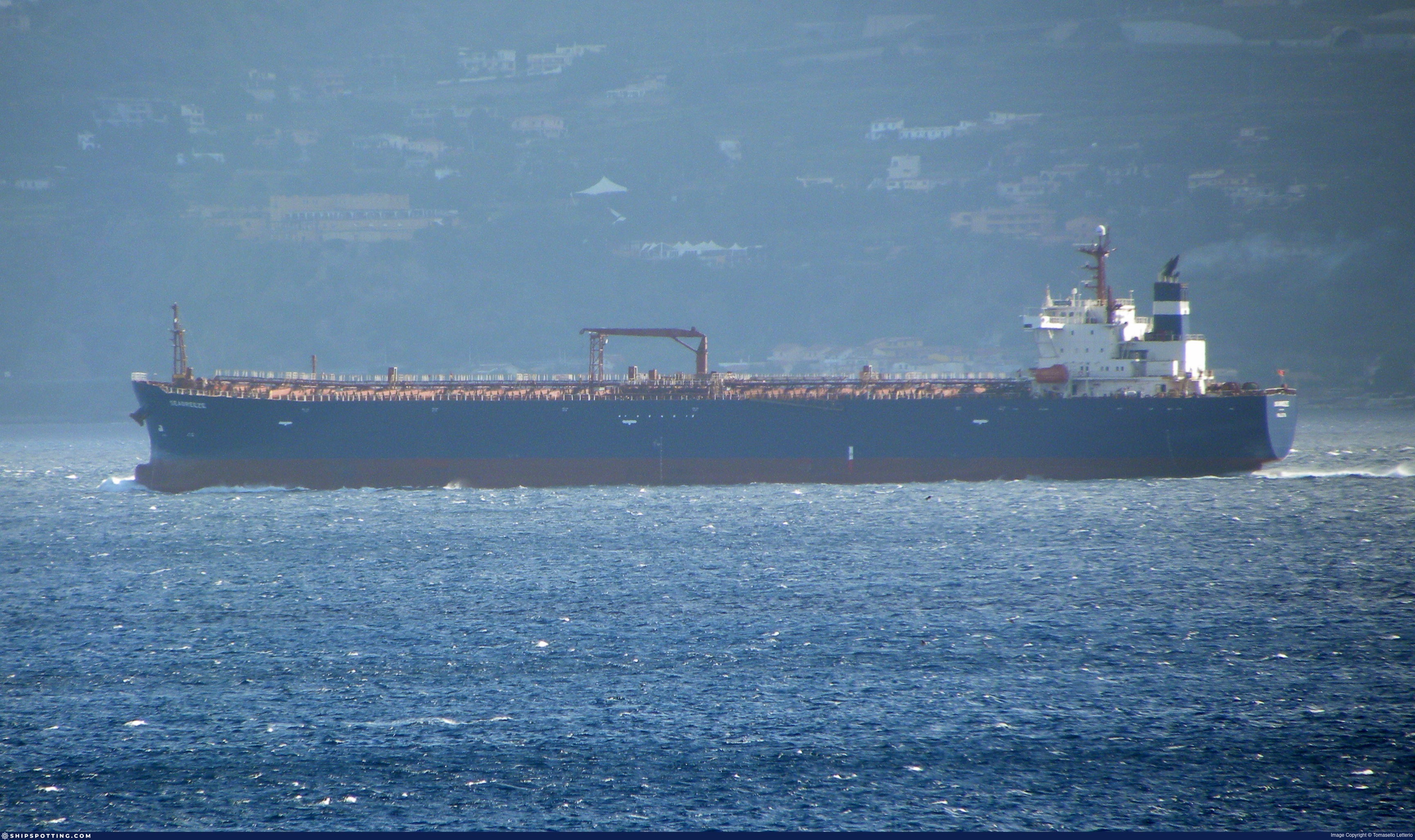
CAPELLA MB (formerly SEVEN PEARLS), IMO 9343986
Renamed from SEVEN PEARLS in October 2025, approximately six months before EU designation. Panamax LR1, 2007 build, St Kitts and Nevis flag. The name change preceded the EU designation by six months.
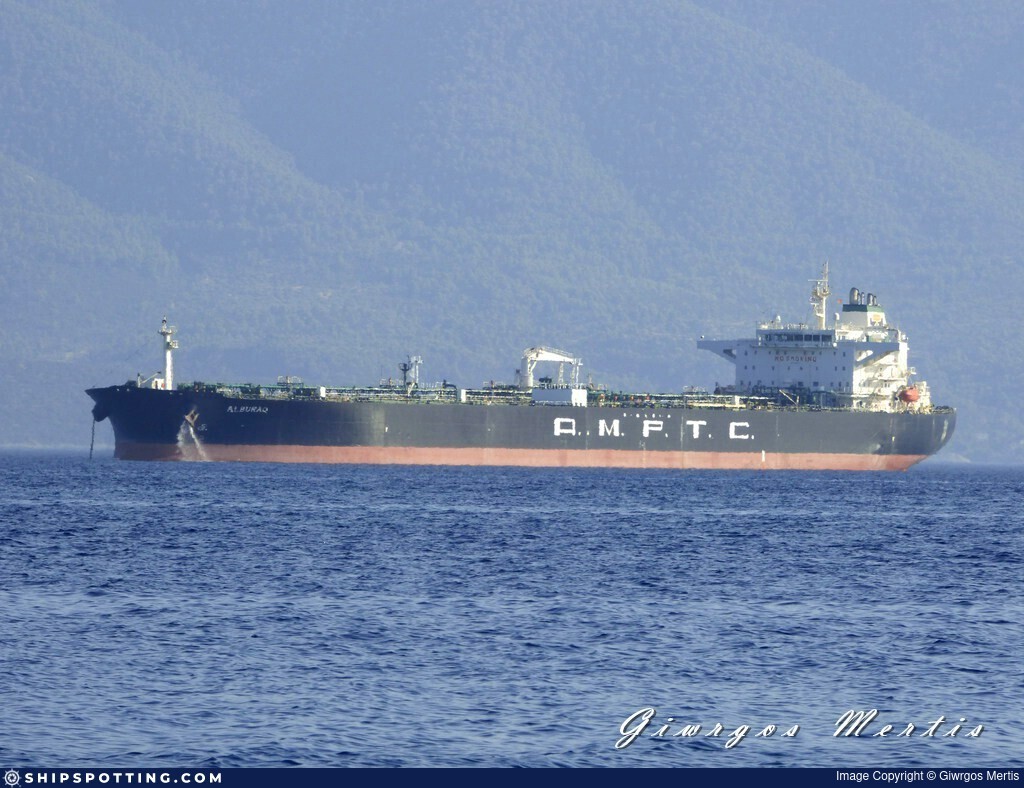
AUGA, IMO 9381732
U.K.-sanctioned in September 2025 as part of a batch of 70 tankers, one of the larger U.K. shadow-fleet listings. EU designation followed seven months later. Flag history includes a Guinea registration episode during 2024 and 2025, aligning with broader Guinea-registry fraud reporting from that period.

SAKHALIN, IMO 9249128
Sovcomflot-linked via SCF Arctica and South Fleet LLC. Also OFAC-listed under the alias “SAKHALIN ISLAND” with Panama flag and different MMSI, identifying a single vessel across two registration identities. An example of the Sovcomflot pattern of transferring vessels to foreign-jurisdiction shells and subsequently bringing them back into Russian registration after designation.
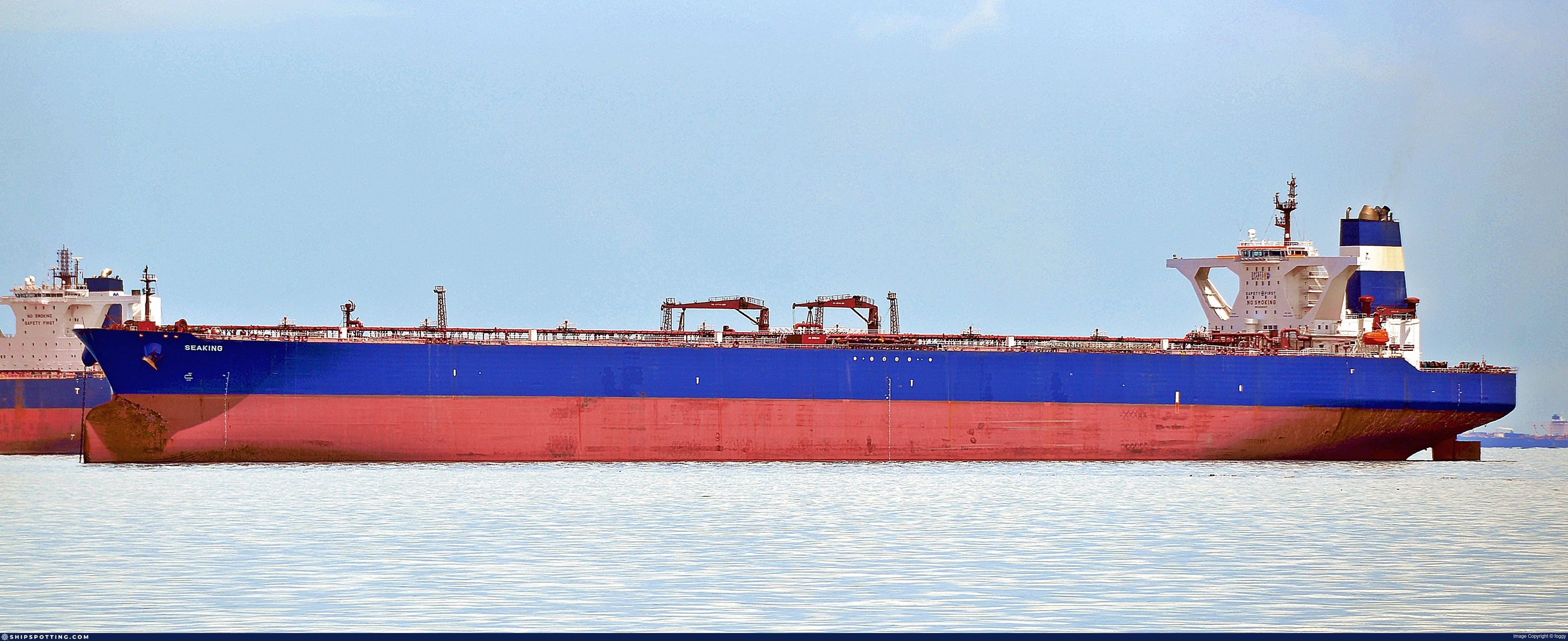
LUNA LUSTER, IMO 9292187
VLCC at 318,669 DWT, Sierra Leone flag, formerly GOLD PEARL. She has the largest deadweight tonnage in the package. The remaining 45 vessels are product tankers of Panamax size or below.
KAMELOT ship-to-ship transfer at Port Said: counterpart vessel and encounter record
On 15 April 2026, the Sierra Leone-flagged tanker KAMELOT (IMO 9265873) conducted a ship-to-ship transfer at the Port Said outer anchorage in the Eastern Mediterranean. The encounter involved one counterpart vessel, IMO 9292589, and spanned a window from 09:39 to 16:59 UTC. Nine days later, KAMELOT was added to Annex XLII of Regulation 833/2014 as part of the EU 20th sanctions package. The counterpart vessel remains undesignated by U.S., U.K., EU, Canadian, Australian, and New Zealand authorities as of 24 April 2026.
This piece follows up on the single KAMELOT ship-to-ship transfer identified in the FleetLeaks analysis of package 20. The source data, location details, and counterpart identification are set out below.
Method and data sources
The encounter record is drawn from FleetLeaks AIS event detections produced by the zone-dwell, loiter, and ship-to-ship-transfer classifiers, captured in the 90-day window ending 24 April 2026. Event coordinates are the centroid of the paired-vessel positions at detection time. The zone identifier discovered_016 is the auto-generated label for a DBSCAN-clustered position cluster centered on 31.5165 degrees North, 32.3919 degrees East. FleetLeaks has not yet assigned a human-readable name to the zone.
Counterpart vessel identity history is drawn from public commercial AIS trackers and shipspotter records.
Location: the Port Said outer anchorage
The detection coordinates place the encounter approximately 15 nautical miles north of Port Said, Egypt, in the Mediterranean waiting area used by vessels transiting the Suez Canal in both directions. This location appears in public maritime reporting as a recurring site for Russia-origin cargo transfers. Lloyd’s List reported in July 2024 that ship-to-ship transfers of Russia-loaded cargoes at the Port Said anchorage are commonplace (Lloyd’s List coverage). gCaptain documented a Russian LNG ship-to-ship transfer at the same northern Suez approach in August 2024 (gCaptain coverage). Reuters and gCaptain reporting through late 2025 records repeated Russia-origin tanker activity at the same anchorage cluster (MarineLink/Reuters coverage).
The zone is high-traffic. FleetLeaks recorded 963 AIS events from 79 distinct vessels in the same zone on 15 April 2026 alone. The 14-to-16 April period saw over 2,000 total events in the same cluster. KAMELOT‘s presence in the anchorage during a peak Canal transit window is consistent with routine shipping traffic.
The STS detection sequence
The FleetLeaks AIS event record contains four ship-to-ship-transfer classifier firings between KAMELOT and IMO 9292589 on 15 April 2026.
| Detection time (UTC) | IMO A | IMO B | Confidence |
|---|---|---|---|
| 2026-04-15 09:39:20 | 9265873 | 9292589 | 0.85 |
| 2026-04-15 11:08:37 | 9292589 | 9265873 | 0.95 |
| 2026-04-15 12:30:35 | 9265873 | 9292589 | 0.85 |
| 2026-04-15 15:17:17 | 9265873 | 9292589 | 0.90 |
The four detections span 5 hours 38 minutes from first to last. The overall event window extends through 16:59:03 UTC in the ts_end field of the highest-confidence record, giving a total engagement duration of approximately 7 hours 20 minutes. The repeated firings are consistent with a single sustained transfer operation in which the classifier re-evaluated the paired vessels as the operation progressed.
KAMELOT‘s wider presence in the zone
KAMELOT entered the zone on 14 April 2026 at 11:59 UTC and continued to produce zone-dwell and loiter classifier firings through 16 April at 16:01 UTC, a window of approximately 52 hours of recorded presence. FleetLeaks holds 39 zone-dwell events and 23 loiter events for KAMELOT across the full 90-day window ending 24 April 2026. The Port Said stay accounted for roughly 54 of those 62 dwell-and-loiter events. The remaining eight were distributed across the other 87 days of the 90-day window.
The distribution indicates that KAMELOT was effectively immobile in the Port Said anchorage for approximately two days around the transfer, with limited zone-monitored activity elsewhere during the 90-day window.
The counterpart vessel (IMO 9292589)
IMO 9292589 is a 2005-built crude oil tanker at 50,346 DWT, constructed at Shinasb Yard in Tongyeong, South Korea. Her registered-name history, as captured by ShipSpotting and corroborated by commercial AIS providers, records at least four successive identities in the five years preceding the STS event:
- Ocean Neptune (until July 2021), Singapore flag
- Super Emerald (until February 2023)
- Beks Arda (until March 2024), Marshall Islands flag
- TEAM, Panama flag, owner listed as Arda Maritime and Trading Inc of Istanbul (as of 2024-2025)
At the time of the STS on 15 April 2026, the vessel operated under MMSI 613472026, which corresponds to the Cameroon registry. Subsequent commercial tracker records in April 2026 show further changes, with VesselFinder recording the vessel as LOGANO under Vanuatu flag in the weeks following the transfer (VesselFinder current record). The name-and-flag sequence across the five years preceding the event is consistent with the identity-management pattern documented in the cornerstone analysis of package 20.
FleetLeaks found no record of U.S., U.K., EU, Canadian, Australian, or New Zealand designation for IMO 9292589 as of 24 April 2026.
What the data establishes, and what it does not
The FleetLeaks AIS record establishes that KAMELOT and IMO 9292589 were in sustained close proximity at the Port Said outer anchorage for an approximately seven-hour window on 15 April 2026, with four separate classifier firings consistent with an ongoing ship-to-ship transfer operation. The record does not establish:
- The direction or volume of cargo transferred.
- Whether the cargo was Russian-origin crude, products, or another commodity.
- Whether the encounter was arranged in advance between the two operators.
- The final delivery destination of any transferred cargo.
The data-level observation is the counterpart profile: an undesignated vessel with a recent multi-identity history, consistent with the identity-management pattern documented in the cornerstone analysis of the 46 package 20 additions. KAMELOT‘s own presence at the Port Said anchorage is routine for a vessel transiting the Suez Canal.
Related follow-ups
- Full AIS trail for IMO 9292589 for the 90 days preceding and following the event, pending enrichment cycle completion.
- Examination of whether IMO 9292589 has conducted ship-to-ship transfers with other designated vessels in the FleetLeaks record.
- Proposed name for DBSCAN zone
discovered_016: “Port Said outer anchorage.” - Update to the cornerstone analysis if additional counterpart records alter the public-source trail.
Reproducible query output and the source AIS records are available through the FleetLeaks exports portal. The full cornerstone analysis of the EU 20th sanctions package covers the other 45 vessels in the listing batch.
What to watch next
Three questions for observers of Annex XLII in the packages ahead:
- Length of the U.S. catch-up tail. Three U.S.-only cases were resolved in package 20. FleetLeaks will flag whether and when the EU closes the lag on other long-standing U.S. designations.
- Proportion of apparent additions that are re-listings. Accurate net counts require entry-by-entry reconciliation between successive Annex XLII versions. FleetLeaks will publish this mapping for package 20 as a follow-up.
- Flag-registry absorption of laundering activity. Cameroon appeared prominently in the 2025 and 2026 transitions captured in this package. Movement of vessels between small-state registries is one forward indicator for future designations.
FleetLeaks maintains vessel pages for each listed IMO and updates sanctions, registry, and AIS enrichment data nightly. Researchers can use the exports portal to review the underlying records and reproduce the cohort analysis.