Russian Oil & Gas Terminals — Interactive Map & Infrastructure Database

This page tracks Russian oil and gas export infrastructure — 42 terminals across the Baltic Sea, Black Sea, Arctic, Pacific, and Caspian regions. Our database includes major export hubs like Primorsk and Kozmino, plus regional terminals and seasonal facilities. Each terminal is documented with geographic coordinates, operational capacity, ownership, sanctions status, and live traffic analytics.

Use the interactive map below to explore terminal locations, or filter by category, area, commodity type, and operational status. Click any terminal for detailed information including recent vessel calls, throughput metrics, and infrastructure specifications.

42
Total Terminals
6
Major Export Hubs
33
Active (7d)
730
Total Calls (30d)
Terminal Categories
Major Export Hub
Regional / Secondary
Local / Minor
Terminal Name Type Capacity Operator Area Calls (30d) Status
Pevek seasonal fuel/products 150,000 Pevek Port Authority East Siberian Sea 1 Active
Slavyanka products terminal 50,000 Rosmorport Sea of Japan (Primorsky Krai) 19 Active

Terminal Distribution by Basin

Baltic Sea (6 terminals)

The Baltic terminals serve as primary export routes for Urals crude and refined products to European and Asian markets. Key facilities include Primorsk, Ust-Luga, and the Druzhba pipeline terminus.
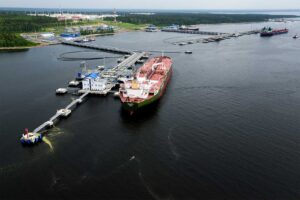
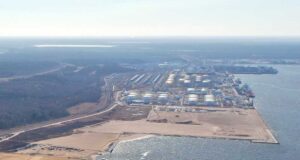
Vysotsk

Local / Minor / Seasonal Baltic (Gulf of Finland) 1 calls (30d)
Type:
products terminal
Operator:
Cryogas Vysotsk
Capacity:
660,000 t/year
Status:
Active
View Details →

Vyborg

Local / Minor / Seasonal Baltic (Gulf of Finland)
Type:
products terminal
Operator:
Gazprom
Capacity:
1,500,000 t/year
Status:
Unknown
View Details →

Primorsk

Major Export Hub Baltic (Gulf of Finland) 45 calls (30d)
Type:
crude terminal
Operator:
Transneft
Capacity:
67,000,000 t/year
Status:
Active
View Details →

Ust-Luga

Major Export Hub Baltic (Gulf of Finland) 36 calls (30d)
Type:
crude/products/LPG terminals
Operator:
Ust-Luga Oil
Capacity:
30,000,000 t/year
Status:
Active
View Details →

Baltiysk (Kaliningrad Oblast)

Regional / Secondary Port Baltic (Kaliningrad) 5 calls (30d)
Type:
products terminal
Operator:
Kaliningrad Oil Terminal LLC
Capacity:
5,000,000 t/year
Status:
Active
View Details →

St. Petersburg

Regional / Secondary Port Baltic (Neva Bay) 62 calls (30d)
Type:
products terminals
Operator:
Port of St. Petersburg Authority
Capacity:
30,000,000 t/year
Status:
Active
View Details →
Barents Sea / Arctic (8 terminals)

Arctic terminals like Varandey operate seasonally due to ice conditions. These facilities primarily export Arctic crude grades and serve as critical infrastructure for Russian northern development.
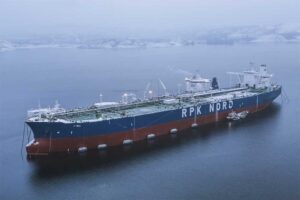
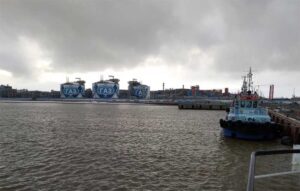
Murmansk (Kola Bay)

Regional / Secondary Port Barents Sea 2 calls (30d)
Type:
crude/products terminals, FSO
Operator:
Murmansk Commercial Seaport
Capacity:
15,000,000 t/year
Status:
Active
View Details →

Varandey (Nenets)

Regional / Secondary Port Barents/Arctic
Type:
offshore terminal
Operator:
LUKOIL
Capacity:
12,000,000 t/year
Status:
Unknown
View Details →

Sabetta

Major Export Hub Kara Sea (Ob estuary) 21 calls (30d)
Type:
LNG terminal
Operator:
Novatek
Capacity:
16,500,000 t/year
Status:
Active
View Details →

Dudinka

Local / Minor / Seasonal Kara Sea (Yenisei Gulf) 7 calls (30d)
Type:
products (industrial)
Operator:
Nornickel
Capacity:
5,000,000 t/year
Status:
Active
View Details →

Dikson

Local / Minor / Seasonal Kara Sea (Yenisei Gulf)
Type:
seasonal products/crude transfer
Operator:
Rosneft
Capacity:
7,000,000 t/year
Status:
Active
View Details →

Severodvinsk

Local / Minor / Seasonal White Sea 63 calls (30d)
Type:
products (limited)
Operator:
Rosmorport
Capacity:
500,000 t/year
Status:
Active
View Details →

Arkhangelsk

Regional / Secondary Port White Sea 16 calls (30d)
Type:
products/liquid bulk
Operator:
Arkhangelsk Commercial Sea Port
Capacity:
5,000,000 t/year
Status:
Active
View Details →

Vitino (Kandalaksha Gulf)

Local / Minor / Seasonal White Sea
Type:
products/crude (historic)
Operator:
Vitino Port Ltd.
Capacity:
3,000,000 t/year
Status:
Active
View Details →
Black Sea & Sea of Azov (12 terminals)

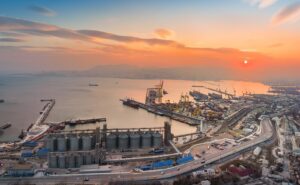
Black Sea terminals handle significant crude oil exports, with Novorossiysk and the CPC Marine Terminal being the largest facilities. These routes serve Mediterranean and Asian buyers.
Tuapse

Regional / Secondary Port Black Sea 18 calls (30d)
Type:
crude/products terminal
Operator:
Rosneft
Capacity:
10,000,000 t/year
Status:
Active
View Details →

Novorossiysk (Sheskharis)

Major Export Hub Black Sea 55 calls (30d)
Type:
crude/products terminal
Operator:
Transneft
Capacity:
24,000,000 t/year
Status:
Active
View Details →

Supsa Terminal

Regional / Secondary Port Black Sea (Georgia) 1 calls (30d)
Type:
crude terminal (SPM)
Operator:
BP
Capacity:
7,000,000 t/year
Status:
Active
View Details →

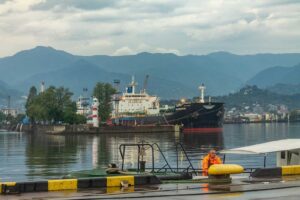
Batumi Oil Terminal

Regional / Secondary Port Black Sea (Georgia) 7 calls (30d)
Type:
crude/products terminal
Operator:
Batumi Oil Terminal Ltd.
Capacity:
15,000,000 t/year
Status:
Active
View Details →

Kulevi Terminal

Local / Minor / Seasonal Black Sea (Georgia) 2 calls (30d)
Type:
crude/products/petrochemical terminal
Operator:
Black Sea Terminal LLC
Capacity:
10,000,000 t/year
Status:
Active
View Details →

CPC Marine Terminal (off Yuzhnaya Ozereevka)
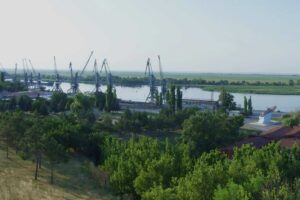
Major Export Hub Black Sea (offshore SPM) 136 calls (30d)
Type:
crude SPMs
Operator:
Caspian Pipeline Consortium
Capacity:
67,000,000 t/year
Status:
Active
View Details →

Taman

Regional / Secondary Port Black Sea (Taman Peninsula) 3 calls (30d)
Type:
oil/product terminals
Operator:
Tamanneftegas
Capacity:
20,000,000 t/year
Status:
Active
View Details →

Rostov-on-Don

Local / Minor / Seasonal Don River / Sea of Azov 1 calls (30d)
Type:
products terminal
Operator:
Rostov Oil Terminal LLC
Capacity:
5,000,000 t/year
Status:
Active
View Details →

Temryuk

Local / Minor / Seasonal Don River / Sea of Azov 3 calls (30d)
Type:
products terminal
Operator:
Temryuk Port Authority
Capacity:
5,000,000 t/year
Status:
Active
View Details →

Yeisk

Local / Minor / Seasonal Don River / Sea of Azov 3 calls (30d)
Type:
products terminal
Operator:
Yeisk Port Authority
Capacity:
3,000,000 t/year
Status:
Active
View Details →

Azov (Azovproduct)

Local / Minor / Seasonal Don River / Sea of Azov 42 calls (30d)
Type:
products terminal
Operator:
Azovproduct CJSC
Capacity:
720,000 t/year
Status:
Active
View Details →

Port Kavkaz

Regional / Secondary Port Kerch Strait (Azov/Black) 3 calls (30d)
Type:
oil/product terminals
Operator:
Port Kavkaz LLC
Capacity:
12,000,000 t/year
Status:
Active
View Details →
Caspian Sea (4 terminals)

Caspian terminals handle both Russian and Kazakh oil exports. These facilities serve regional refineries and trans-Caspian shipping routes.
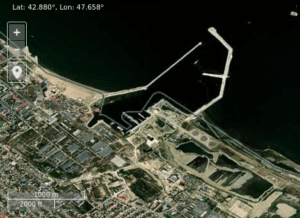
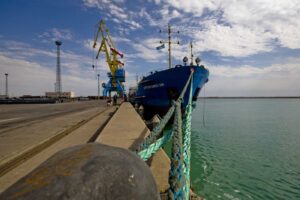
Kaspiysk

Local / Minor / Seasonal Caspian Sea (Dagestan) 1 calls (30d)
Type:
products terminal (limited)
Operator:
Port of Kaspiysk JSC
Capacity:
1,000,000 t/year
Status:
Active
View Details →

Aktau Oil Terminal

Regional / Secondary Port Caspian Sea (Kazakhstan) 1 calls (30d)
Type:
crude/products terminal
Operator:
KazMunayGas
Capacity:
12,000,000 t/year
Status:
Active
View Details →

Astrakhan

Regional / Secondary Port Caspian Sea (Volga delta) 16 calls (30d)
Type:
products/crude transfer
Operator:
Astrakhan Oil Terminal LLC
Capacity:
5,000,000 t/year
Status:
Active
View Details →

Port Olya

Local / Minor / Seasonal Caspian Sea (Volga delta)
Type:
products terminal
Operator:
Port Olya JSC
Capacity:
5,000,000 t/year
Status:
Unknown
View Details →
Far East / Pacific (11 terminals)

Pacific terminals, notably Kozmino, export ESPO crude primarily to Asian markets including China, Japan, and South Korea. The ESPO pipeline terminus at Kozmino is Russia’s primary Pacific export hub.
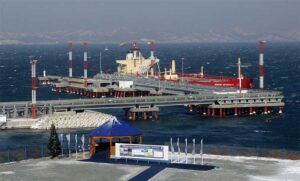
Prigorodnoye (Sakhalin-2)

Local / Minor / Seasonal Aniva Bay, Sea of Okhotsk
Type:
LNG/condensate terminal
Operator:
Sakhalin Energy Investment Company Ltd.
Capacity:
15,000,000 t/year
Status:
Unknown
View Details →

Pevek

Local / Minor / Seasonal East Siberian Sea 1 calls (30d)
Type:
seasonal fuel/products
Operator:
Pevek Port Authority
Capacity:
150,000 t/year
Status:
Active
View Details →

Slavyanka

Local / Minor / Seasonal Sea of Japan (Primorsky Krai) 19 calls (30d)
Type:
products terminal
Operator:
Rosmorport
Capacity:
50,000 t/year
Status:
Active
View Details →

Vostochny

Regional / Secondary Port Sea of Japan (Primorsky Krai) 7 calls (30d)
Type:
products terminal
Operator:
Vostochny Port JSC
Capacity:
15,000,000 t/year
Status:
Active
View Details →

Nakhodka

Regional / Secondary Port Sea of Japan (Primorsky Krai) 19 calls (30d)
Type:
products/crude (regional)
Operator:
Nakhodka Oil Terminal LLC
Capacity:
15,000,000 t/year
Status:
Active
View Details →

Vladivostok

Regional / Secondary Port Sea of Japan (Primorsky Krai) 2 calls (30d)
Type:
products terminal
Operator:
Vladivostok Sea Terminal
Capacity:
5,000,000 t/year
Status:
Active
View Details →

Kozmino

Major Export Hub Sea of Japan (Primorsky Krai) 45 calls (30d)
Type:
crude terminal (ESPO)
Operator:
Transneft
Capacity:
30,000,000 t/year
Status:
Active
View Details →

Sovetskaya Gavan

Local / Minor / Seasonal Sea of Japan (Tatar Strait) 1 calls (30d)
Type:
products terminal
Operator:
Rosmorport
Capacity:
1,000,000 t/year
Status:
Active
View Details →

Kholmsk

Local / Minor / Seasonal Sea of Japan (Tatar Strait) 64 calls (30d)
Type:
products terminal
Operator:
Kholmsk Commercial Sea Port
Capacity:
2,500,000 t/year
Status:
Active
View Details →

De-Kastri (Sakhalin-1)

Regional / Secondary Port Sea of Japan (Tatar Strait) 3 calls (30d)
Type:
crude terminal
Operator:
Exxon Neftegas Limited
Capacity:
12,000,000 t/year
Status:
Active
View Details →

Vanino

Regional / Secondary Port Sea of Japan (Tatar Strait) 16 calls (30d)
Type:
products terminal
Operator:
Vanino Commercial Sea Port
Capacity:
15,000,000 t/year
Status:
Active
View Details →

Frequently Asked Questions

What are Russia’s main oil export terminals?

Russia’s major export hubs include Primorsk and Ust-Luga in the Baltic Sea, Novorossiysk and the CPC Marine Terminal in the Black Sea, and Kozmino in the Pacific. These five terminals handle the majority of Russian crude oil exports.

How do sanctions affect Russian oil exports?

Western sanctions have imposed restrictions on Russian oil exports, including price caps and restrictions on insurance and shipping services. However, Russian terminals continue to operate, with exports redirected primarily to Asian markets.

Which terminals handle Urals crude vs ESPO?

Urals crude is primarily exported through Baltic terminals (Primorsk, Ust-Luga) and Black Sea terminals (Novorossiysk). ESPO (Eastern Siberia—Pacific Ocean) crude is exported exclusively through Kozmino terminal in the Far East.

What is a Single Point Mooring (SPM)?

A Single Point Mooring (SPM) is an offshore loading buoy anchored to the seabed, allowing large tankers to load crude oil in deep water away from shore. The CPC Marine Terminal operates three SPMs in the Black Sea.