FleetLeaks Investigation Exposes Systematic Identity Changes Across Russia’s Shadow Oil Fleet
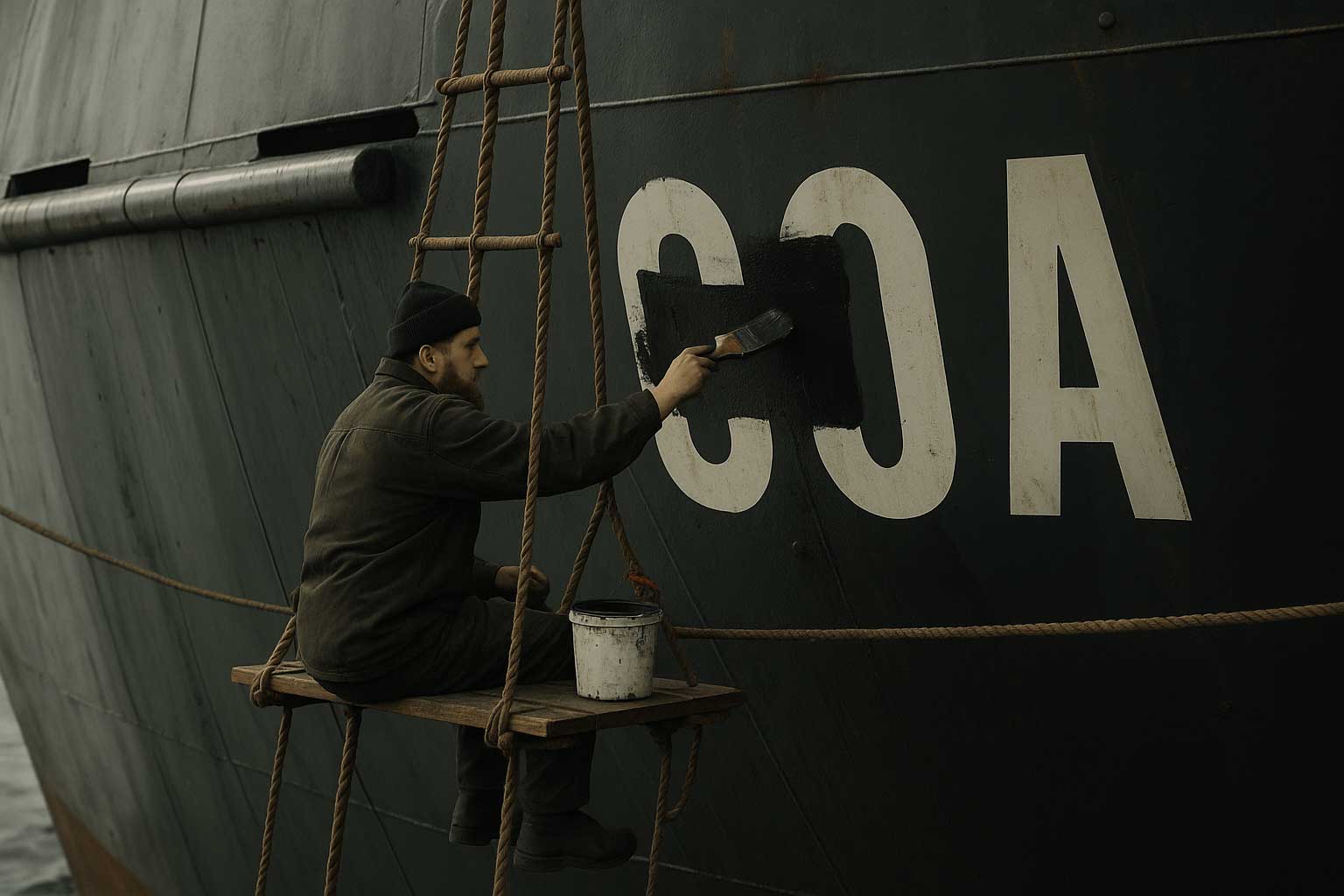
An extensive FleetLeaks analysis of 867 sanctioned vessels has uncovered a coordinated campaign of vessel renaming, with 178 ships changing their identities after being placed on Western sanctions lists. The systematic rebranding represents one of the largest documented efforts to circumvent maritime sanctions enforcement.
The investigation, which cross-referenced official registry data from Equasis against current vessel tracking systems, reveals that approximately 21% of monitored vessels underwent name changes following their designation by U.S., EU, UK, Canadian, Australian, or New Zealand authorities.
Scale of the Deception
The renaming campaign affects vessels across Russia’s shadow fleet, which has grown to transport Russian oil following the implementation of the G7 price cap and Western sanctions. These vessels operate with minimal insurance, often under flags of convenience, and now increasingly under false identities.
“This isn’t coincidental,” said maritime compliance expert Sarah Mitchell of Global Maritime Intelligence. “When you see this volume of name changes concentrated in sanctioned vessels, it’s clear evidence of a coordinated evasion strategy.”
How the Scheme Works
Vessel owners exploit legal loopholes in international maritime law that permit name changes during ownership transfers or flag changes. However, the International Maritime Organization (IMO) number—a permanent identifier—remains constant throughout a vessel’s lifetime.
The shadow fleet operators appear to be betting that compliance officers at ports, financial institutions, and insurance companies will fail to cross-reference IMO numbers against sanctions lists, particularly when vessel names no longer match sanctioned identities.
Case Studies: Notable Transformations
Several high-profile examples illustrate the pattern:
NS LEADER → LIPETSK: This large crude oil carrier changed names shortly after EU sanctions designation, continuing to transport Russian oil to Asian markets under its new identity.
HIMALAYA → RUNA: Sanctioned for carrying Russian crude above the G7 price cap, this vessel promptly rebranded and continued operations within weeks.
EVEREST ENERGY → ARCTIC METAGAZ: Part of a cluster of “Arctic” and “Energy” vessels that simultaneously changed names following coordinated sanctions announcements.
SUCCESS (formerly SCF AMUR) → SOLARIS: This vessel had already changed names once to distance itself from Sovcomflot (SCF), Russia’s state shipping company, before being sanctioned. It changed names again post-sanctions.
The Chinese Connection
A significant portion of renamed vessels adopted Chinese names before sanctions, then changed to generic Western names afterward:
Maritime analysts suggest this pattern indicates coordination between Russian and Chinese entities to obscure vessel ownership and operational control.
Impact on Sanctions Enforcement
The mass renaming campaign significantly complicates enforcement efforts:
Port Authorities: Customs officials may fail to recognize sanctioned vessels arriving under new names, particularly in jurisdictions with limited screening capabilities.
Financial Institutions: Banks processing shipping payments may not identify transactions involving renamed sanctioned vessels, potentially violating sanctions regulations.
Insurance Companies: Providers may unknowingly offer coverage to sanctioned vessels operating under false identities, exposing themselves to regulatory penalties.
Commodity Traders: Companies purchasing oil cargo may inadvertently do business with sanctioned fleet operators through renamed vessels.
Regulatory Response
Western sanctions authorities are aware of the tactic. The U.S. Treasury’s Office of Foreign Assets Control (OFAC) maintains that sanctions apply regardless of name changes, as designations reference IMO numbers as the primary identifier.
However, enforcement remains challenging. “The IMO number system works in theory,” noted James Rodriguez, former OFAC compliance officer. “But in practice, many smaller ports and companies don‘t have sophisticated enough screening systems to catch renamed vessels.”
The EU’s recent sanctions packages have attempted to close loopholes by expanding listing criteria and requiring enhanced due diligence on vessel ownership changes. Yet the renaming continues.
The Numbers: Complete List of Major Name Changes
FleetLeaks identified 178 vessels with substantive name changes (excluding minor capitalization or spelling corrections):
Table shows 178 vessels with substantive name changes.
Geographic Patterns
The renaming campaign shows clear geographic patterns:
Azerbaijan/Caspian Connection: Multiple vessels now use Azerbaijani or Turkic names (KHANKENDI, BARQ, ARIA), potentially indicating attempts to obscure Russian origins by association with neutral or Western-friendly nations.
Generic Western Names: Many rebranded vessels adopted common English names that blend into international commerce (DISCOVERY, CAVALIER, LEGACY, FREEDOM), making them harder to identify as part of the shadow fleet.
Arctic Rebranding: Several vessels added “Arctic” to their names (ARCTIC VOSTOK, ARCTIC METAGAZ, ARCTIC MULAN), possibly attempting to legitimize continued Arctic operations despite sanctions.
Legal and Compliance Implications
For Compliance Officers: The findings underscore the critical importance of IMO-based screening rather than relying solely on vessel names. Companies must implement:
- IMO number cross-referencing against consolidated sanctions lists
- Enhanced due diligence on vessels with recent name changes
- Verification of ownership chains through corporate registries
- Integration of AIS tracking data to identify suspicious movement patterns
For Port Authorities: Jurisdictions should consider implementing:
- Mandatory IMO number verification for all port calls
- Enhanced screening for vessels that changed names within 12 months
- Collaboration with maritime intelligence services
- Real-time sanctions list integration into port management systems
For Financial Institutions: Banks processing maritime trade finance must:
- Flag transactions involving vessels with recent name changes
- Require IMO number disclosure in all shipping documentation
- Conduct enhanced due diligence on payments to newly renamed vessels
- Report suspicious renaming patterns to financial intelligence units
Industry Response
The shipping industry has been divided in its response. Major insurers and classification societies maintain they follow proper procedures, but acknowledge the challenge of tracking renamed vessels across jurisdictions.
“We’ve strengthened our screening protocols,” said a spokesperson for a major maritime insurance provider, speaking on condition of anonymity. “But the reality is that the system relies on accurate reporting, and bad actors know how to exploit the gaps.”
The International Group of P&I Clubs, which insures approximately 90% of global shipping tonnage, declined to comment on specific vessels but confirmed that members are “vigilant” about sanctions compliance.
What Happens Next
Maritime security experts predict the renaming campaign will accelerate as Western nations expand sanctions designations. Russia’s Sovcomflot fleet alone operates hundreds of vessels, many of which could be targets for future sanctions.
International authorities are exploring technological solutions, including blockchain-based vessel identity verification and enhanced satellite tracking integration. However, implementation remains years away.
In the meantime, the renamed vessels continue operating in a legal gray area—technically violating the spirit of sanctions while exploiting procedural weaknesses in enforcement systems.
About This Investigation
FleetLeaks maintains a comprehensive database of 867 sanctioned vessels, cross-referencing data from six jurisdictions (United States, European Union, United Kingdom, Canada, Australia, and New Zealand) against official maritime registries and real-time vessel tracking systems.
The investigation compared historical vessel names from Equasis, the official IMO database, against current operational names from AIS transponder data and port call records. Name changes were verified through multiple independent sources.
For media inquiries or to report sanctions evasion: [email protected]